Sodium Iodide → 3-((4-Chloroisoquinolin-3-yl)methyl)-5-(methoxycarbonyl)-2-methylindole
HRID 2187749
Reaction equation

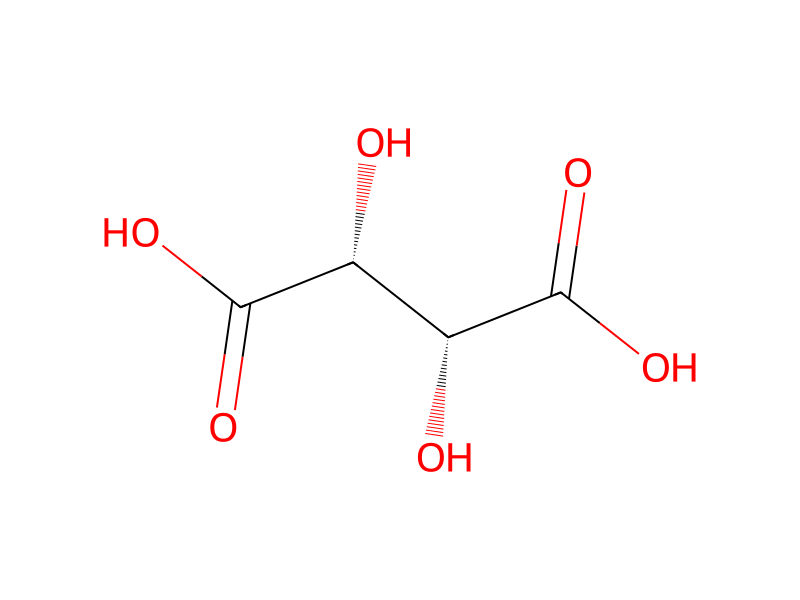
C(O)(=O)[C@@H]([C@H](C(O)=O)O)O.[OH-].[Na+].[I-].[Na+].[CH3:15][O:16][C:17]([C:19]1[CH:20]=[C:21]2[C:25](=[CH:26][CH:27]=1)[NH:24][C:23]([CH3:28])=[CH:22]2)=[O:18].[Cl:29][C:30]1[C:39]2[C:34](=[CH:35][CH:36]=[CH:37][CH:38]=2)[CH:33]=[N:32][C:31]=1[CH2:40]Cl>O1CCOCC1.O>[Cl:29][C:30]1[C:39]2[C:34](=[CH:35][CH:36]=[CH:37][CH:38]=2)[CH:33]=[N:32][C:31]=1[CH2:40][C:22]1[C:21]2[C:25](=[CH:26][CH:27]=[C:19]([C:17]([O:16][CH3:15])=[O:18])[CH:20]=2)[NH:24][C:23]=1[CH3:28]