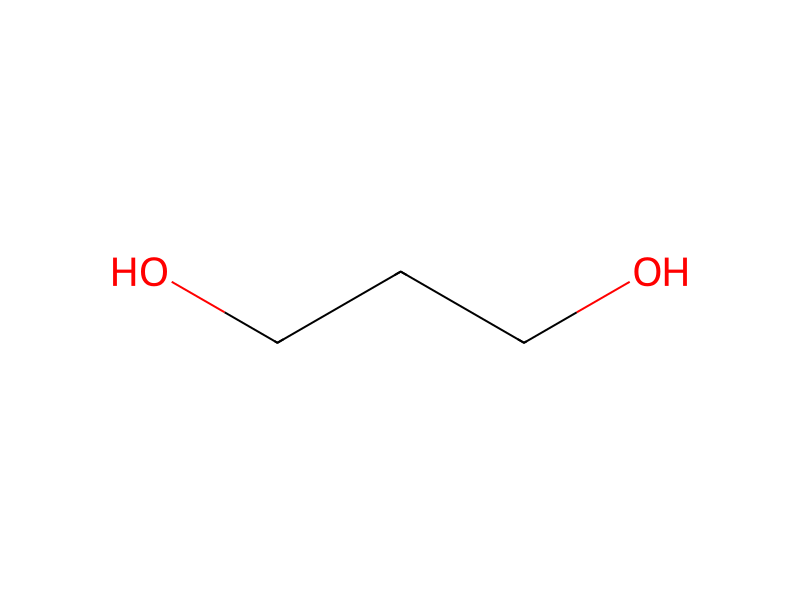
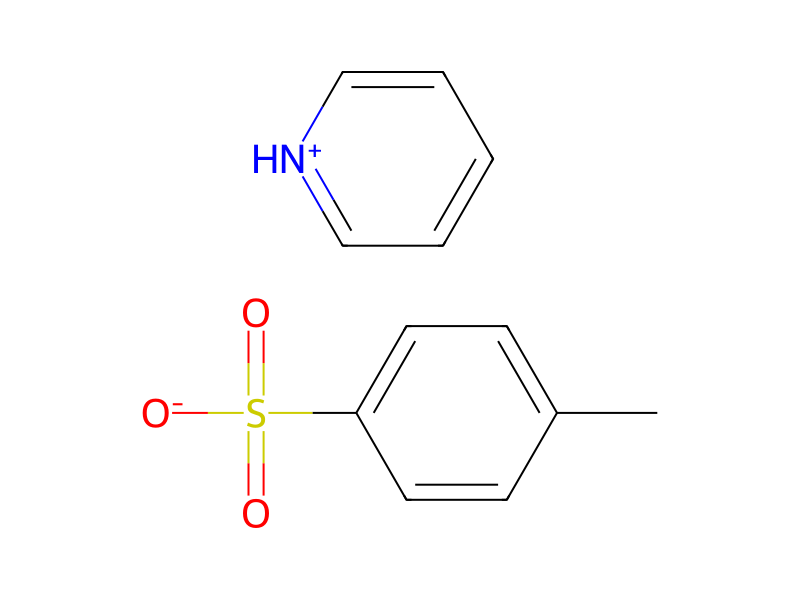
[Cl:1][C:2]1[CH:7]=[C:6]([F:8])[CH:5]=[CH:4][C:3]=1[NH:9][S:10]([CH:13]1[C:18]([C:19]([O:21][CH2:22][CH3:23])=[O:20])=[CH:17][C:16](=[O:24])[CH2:15][CH2:14]1)(=[O:12])=[O:11].[CH2:25](O)[CH2:26][CH2:27][OH:28].C1(C)C=CC(S([O-])(=O)=O)=CC=1.[NH+]1C=CC=CC=1.C(=O)([O-])O.[Na+]>C1(C)C=CC=CC=1>[Cl:1][C:2]1[CH:7]=[C:6]([F:8])[CH:5]=[CH:4][C:3]=1[NH:9][S:10]([CH:13]1[CH2:14][CH2:15][C:16]2([O:28][CH2:27][CH2:26][CH2:25][O:24]2)[CH:17]=[C:18]1[C:19]([O:21][CH2:22][CH3:23])=[O:20])(=[O:12])=[O:11]100 mg (0.27 mmol) of ethyl 6-[N-(2-chloro-4-fluorophenyl)sulfamoyl]-3-oxo-1-cyclohexene-1-carboxylate obtained in Example 7 was dissolved in 2 ml of toluene, and 0.04 ml (0.54 mmol) of propane-1,3-diol and 68 mg (0.27 mmol) of pyridinium p-toluenesulfonate were added thereto, followed by heating under reflux for 1 hour. After the reaction solution was cooled to room temperature, a saturated aqueous sodium hydrogencarbonate solution was added and extracted with ethyl acetate. The organic layer was washed with water and dried over anhydrous magnesium sulfate, followed by concentration under reduced pressure. The residue was subjected to silica gel column chromatography (solvent; hexane:ethyl acetate=2:1), and the resulting solid was further washed with hexane to give 60 mg of the title compound as a white powder (yield: 51%).