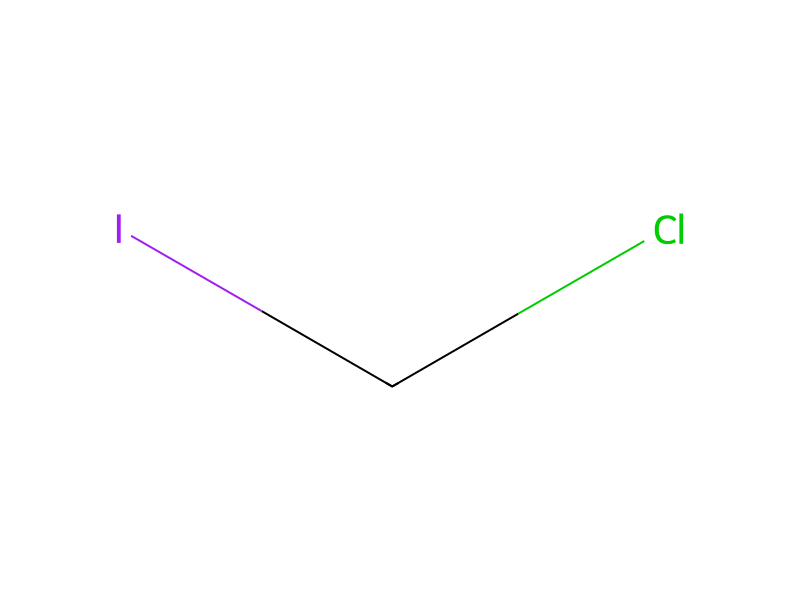
[Br:1][C:2]1[N:7]=[C:6]([C:8]([NH:10][CH2:11][C:12]2[CH:17]=[CH:16][C:15]([F:18])=[CH:14][CH:13]=2)=[O:9])[C:5]([OH:19])=[CH:4][CH:3]=1.[C:20]([O-])([O-])=O.[Cs+].[Cs+].ClCI>CN(C=O)C>[Br:1][C:2]1[CH:3]=[CH:4][C:5]2[O:19][CH2:20][N:10]([CH2:11][C:12]3[CH:17]=[CH:16][C:15]([F:18])=[CH:14][CH:13]=3)[C:8](=[O:9])[C:6]=2[N:7]=1To a solution of 6-bromo-N-(4-fluorobenzyl)-3-hydroxypicolinamide (100 mg, 0.31 mmol) and Cs2CO3 (219 mg, 0.62 mmol) in DMF (10 mL) was added chloroiodomethane (87 mg, 0.46 mmol) dropwise at 110° C. under N2. The mixture was stirred at 110° C. for 0.5 hour. Then the mixture was concentrated and extracted with EtOAc. The combined organic phase was washed with brine, dried over Na2SO4 and concentrated. The residue was purified by prep-TLC (PE:EtOAc=2:1) to afford the product of 6-bromo-3-(4-fluorobenzyl)-2H-pyrido[2,3-e][1,3]oxazin-4(3H)-one (70 mg, yield: 67.3%). 1H-NMR (CDCl3, 400 MHz) δ 7.46˜7.48 (m, 1H), 7.26˜7.29 (m, 2H), 7.18˜7.20 (m, 1H), 6.96 (t, J=8.4 Hz, 2H), 5.16 (s, 2H), 4.70 (s, 2H). MS (M+H)+: 337/339.