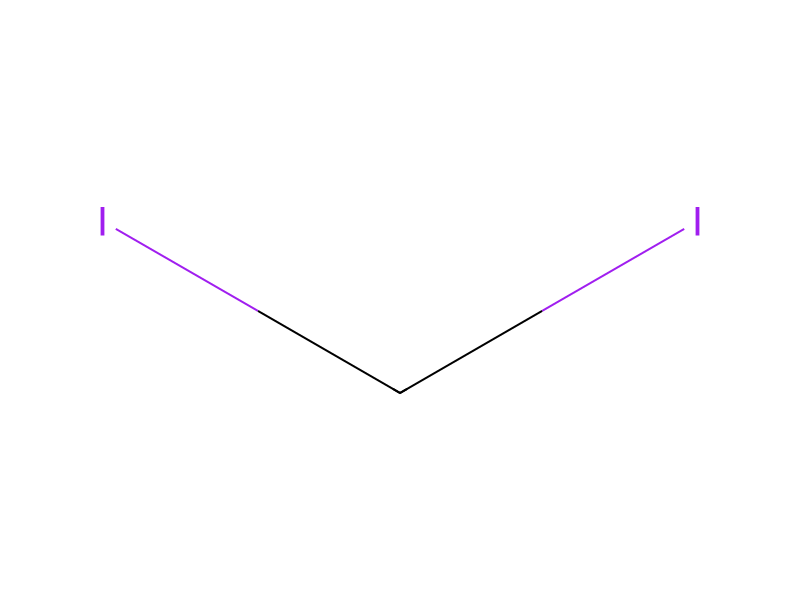
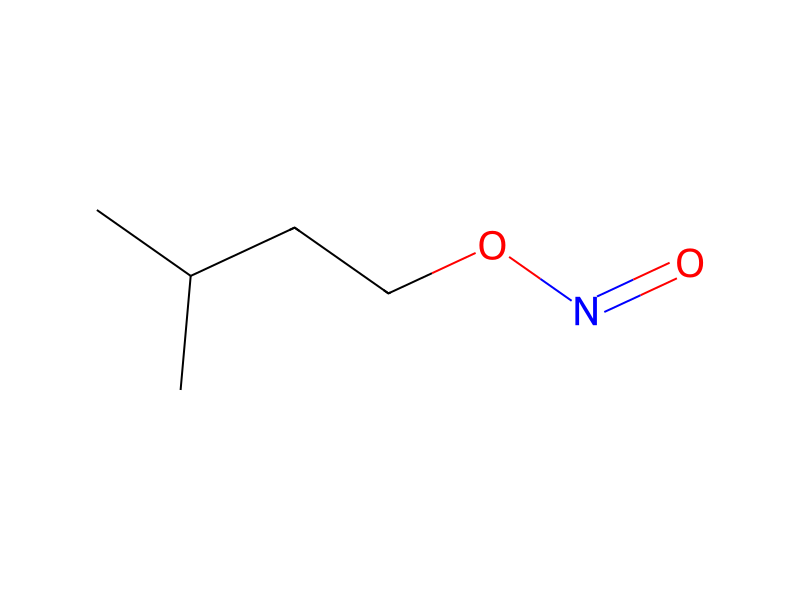
N[C:2]1[N:7]=[C:6]2[N:8]([CH2:20][CH3:21])[C:9]([C:11]([N:13]([CH:17]3[CH2:19][CH2:18]3)[CH:14]3[CH2:16][CH2:15]3)=[O:12])=[CH:10][C:5]2=[C:4]2[N:22]([CH3:25])[CH:23]=[N:24][C:3]=12.N(OCCC(C)C)=O.C(=O)(O)[O-].[Na+].[I:39]CI>ClCCl>[I:39][C:2]1[N:7]=[C:6]2[N:8]([CH2:20][CH3:21])[C:9]([C:11]([N:13]([CH:17]3[CH2:19][CH2:18]3)[CH:14]3[CH2:16][CH2:15]3)=[O:12])=[CH:10][C:5]2=[C:4]2[N:22]([CH3:25])[CH:23]=[N:24][C:3]=12To a stirred suspension of 4-amino-N,N-dicyclopropyl-6-ethyl-1-methyl-1,6-dihydroimidazo[4,5-d]pyrrolo[2,3-b]pyridine-7-carboxamide (34.4 mg, 0.102 mmol) in diiodomethane (102 μL) at 60° C. was slowly added isoamyl nitrite (27.4 μL, 0.203 mmol). The reaction mixture was stirred at 60° C. 5 h. After cooling to rt, the reaction mixture was diluted with dichloromethane. Saturated aqueous sodium bicarbonate was added and the aqueous layer was extracted with dichloromethane (3×). The combined organics were dried over anhydrous sodium sulfate, filtered and concentrated in vacuo. The crude residue was placed on the pump for 16 h to remove any additional diiodomethane. LCMS was deemed pure enough to be carried forward crude. The product was used immediately in the next reaction.