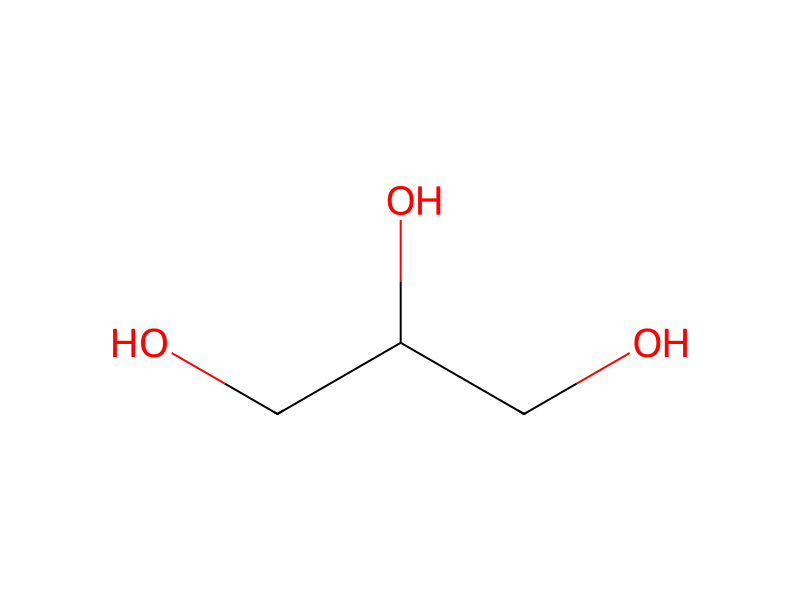
2-Bromo-4-isopropylaniline (3.0 gm) [obtained from Aldrich Chemical Co.], glycerol (2.8 mL) and arsenic pentoxide (3.22 g) were combined and heated to 100° C. H2SO4 (concentrated, 1.9 mL) was added to the reaction mixture in a dropwise manner. The mixture was then heated to 150° C. for 2.5 hours. The resulting black oil was added in a dropwise manner to a stirring mixture of saturated NaHCO3 (300 mL) and ethyl acetate (100 mL). After completion of the addition, the reaction mixture was stirred for 30 minutes. The reaction mixture was then extracted with ethyl acetate (2×200 mL). The organic layers were washed with brine, dried over MgSO4, filtered and concentrated. The resulting material was further purified and isolated by chromatography on silica gel (30:70 ethyl acetate/hexanes) which yielded 2.5 g of 8-bromo-6-isopropylquinoline as a brown oil.