Reaction equation

[Cl:1][C:2]1[CH:9]=[CH:8][C:5]([CH:6]=O)=[CH:4][CH:3]=1.[C:10]([C:13]1[CH:18]=[CH:17][C:16]([S:19]([NH2:22])(=[O:21])=[O:20])=[CH:15][CH:14]=1)([OH:12])=[O:11].CC1C=CC(S(O)(=O)=O)=CC=1>C1(C)C=CC=CC=1>[Cl:1][C:2]1[CH:9]=[CH:8][C:5]([CH:6]=[N:22][S:19]([C:16]2[CH:17]=[CH:18][C:13]([C:10]([OH:12])=[O:11])=[CH:14][CH:15]=2)(=[O:21])=[O:20])=[CH:4][CH:3]=1Participants
5
Reactant 3

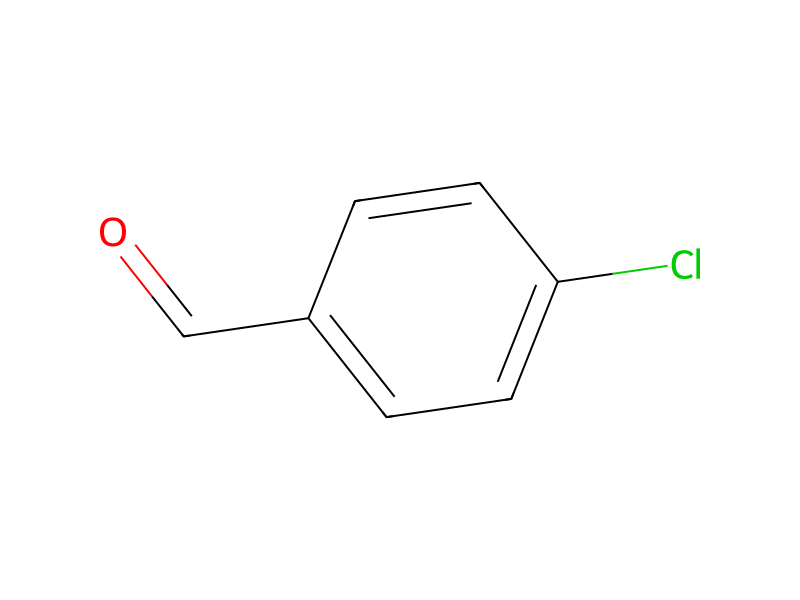

Product 1

Reagents, catalysts & solvents 1

Procedure
In a similar manner to Example 2, 4.00 g (29 mmol) of 4-chlorobenzaldehyde, 5.72 g (29 mmol) of 4-carboxybenzenesulfonamide and 20 mg of TsOH in 150 mL of toluene were heated for 24 hours to provide 6.60 g (71%) of SULF-3 as a light tan powder: IR (Nujol) 3400-2500 (br), 1685, 1595, 1285, 1215, 1005 cm-1 ; 1H NMR (DMSO-d6, TMS ext std) δ 9.15 (s, 1), 8.2-7.3 (m, 8).
Workup
- customto provide 6.60 g (71%) of SULF-3 as a light tan powder
Sources & evidence
- ORD record
- ord-ec5ac22661054136a0935775a4b368c7
- Source dataset
- uspto-grants-1995_10
- Patent number
- US05463115
Linked notes
Loading…