HomeMCPWorkbenchSkills
HomeWorkbenchNotificationsMe
llms.txt · MCP GuidePrivacy Policy · Terms of Service · Supportv1.8.0
  1. Home
  2. /Reaction

Dichloromethane → 4-(Benzenesulfonyl)-3-methylbutan-1-ol

HRID 2212074
Notes
Print preview

Reaction equation

HRID 2212074 reaction equation
[CH3:1][S:2]([C:5]1[CH:10]=[CH:9][CH:8]=[CH:7][CH:6]=1)(=[O:4])=[O:3].C([Li])CCC.CN1CCCN(C)C1=O.[C:25](OC)(=[O:29])/[CH:26]=[CH:27]/[CH3:28].[H-].C([Al+]CC(C)C)C(C)C.ClCCl>O1CCCC1.C(=O)([O-])[O-].[NH4+].[NH4+]>[C:5]1([S:2]([CH2:1][CH:27]([CH3:28])[CH2:26][CH2:25][OH:29])(=[O:4])=[O:3])[CH:10]=[CH:9][CH:8]=[CH:7][CH:6]=1
ParticipantsConditionsProcedureWorkupSources & evidenceReaction notes

Participants

9

Reactant 6

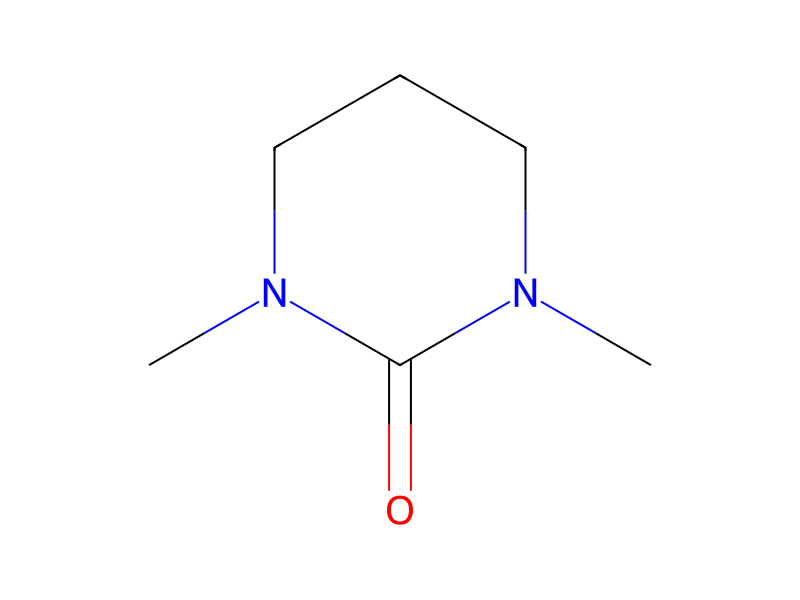
HCID 6344DichloromethaneHCID 18369Methyl phenyl sulfoneHCID 816462(1H)-Pyrimidinone, tetrahydro-1,3-dimethyl-HCID 638132Methyl CrotonateHCID 21225700DiisobutylaluminumhydrideHCID 178418339Butyllithium

Product 1

HCID 13358237
4-(Benzenesulfonyl)-3-methylbutan-1-ol

Reagents, catalysts & solvents 2

HCID 8028TetrahydrofuranSolventHCID 517111Ammonium CarbonateSolvent

Conditions

Temperature
-78 °C

Procedure

A solution of methanesulphonylbenzene (2.17 g, 13.9 mmol) in tetrahydrofuran (10 ml) was cooled to −78° C. and treated with butyllithium (1.6M in hexanes, 8.7 ml, 13.9 mmol) followed by 1,3-dimethyl-3,4,5,6-tetrahydro-2(1H)-pyrimidinone (1.68 ml, 13.9 mmol). The reaction was stirred at −78° C. for 15 minutes then methyl crotonate (7.36 ml, 69.5 mmol) added. The reaction was allowed to warm to room temperature and quenched with water. The mixture was extracted with ethyl acetate and the combined organic layers dried (MgSO4)and concentrated in vacuo. The residue was dissolved in dichloromethane (10 ml) and cooled to −5° C. A solution of diisobutylaluminium hydride in dichloromethane (1M, 27.8 ml, 27.8 mmol) was added and the reaction allowed to warm to room temperature. The mixture was diluted with aqueous ammonium carbonate solution and extracted with ethyl acetate. The combined organic layers were dried (MgSO4) and concentrated in vacuo. A portion of the residue was purified by preparative thin layer chromatography, eluting with 5% methanol/dichloromethane, to give the title compound.


Workup

  1. temperatureto warm to room temperature
  2. customquenched with water
  3. extractionThe mixture was extracted with ethyl acetate
  4. concentrationthe combined organic layers dried (MgSO4)and concentrated in vacuo
  5. dissolutionThe residue was dissolved in dichloromethane (10 ml)
  6. temperaturecooled to −5° C
  7. temperatureto warm to room temperature
  8. extractionextracted with ethyl acetate
  9. dry with materialThe combined organic layers were dried (MgSO4)
  10. concentrationconcentrated in vacuo
  11. customA portion of the residue was purified by preparative thin layer chromatography
  12. washeluting with 5% methanol/dichloromethane

Sources & evidence

ORD record
ord-a4dccfdb4cee41858730331ac136ffa0
Source dataset
uspto-grants-2006_09
DOI
10.6084/m9.figshare.5104873.v1
Patent number
US07101892B2

Reaction notes

Loading…

On this pageParticipantsConditionsProcedureWorkupSources & evidenceReaction notes