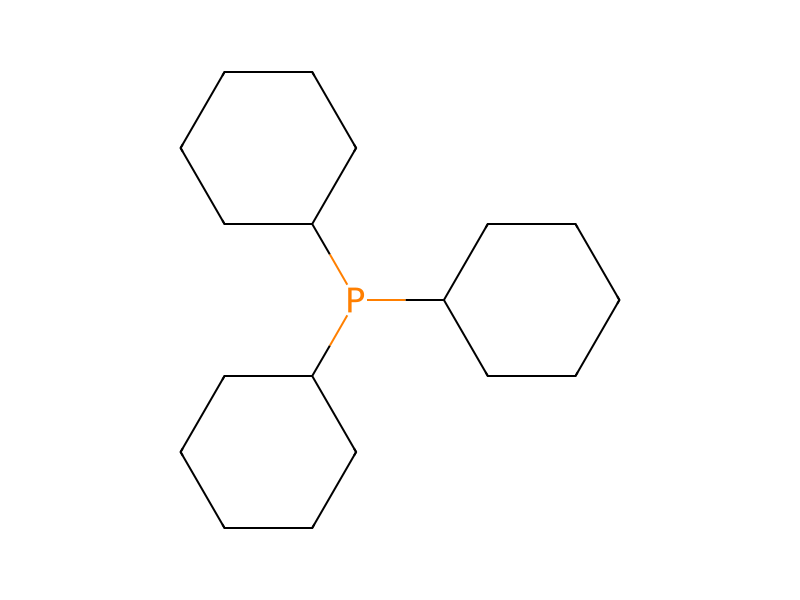
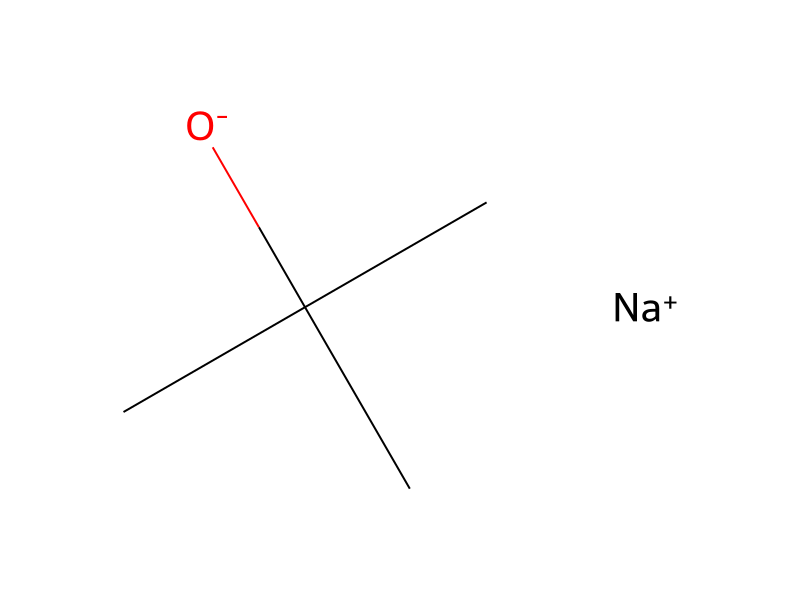
Br[C:2]1[CH:7]=[C:6]([CH3:8])[C:5](OC)=[CH:4][C:3]=1[N:11]([CH2:17][C:18]1[CH:23]=[CH:22][C:21]([O:24][CH3:25])=[CH:20][CH:19]=1)[C:12](=[O:16])[CH:13]([CH3:15])[CH3:14].CC(C)([O-])C.[Na+].C1(P(C2CCCCC2)C2CCCCC2)CCCCC1>O1CCOCC1.O.C([O-])(=O)C.[Pd+2].C([O-])(=O)C>[CH3:25][O:24][C:21]1[CH:22]=[CH:23][C:18]([CH2:17][N:11]2[C:3]3[C:2](=[CH:7][C:6]([CH3:8])=[CH:5][CH:4]=3)[C:13]([CH3:14])([CH3:15])[C:12]2=[O:16])=[CH:19][CH:20]=1To a solution of N-(2-bromo-5-methoxy-4-methyl-phenyl)-N-(4-methoxy-benzyl)-isobutyramide (8.72 g, 21.4 mmol) in dry 1,4-dioxane (80 mL) was added sodium tert-butoxide (3.09 g, 32.1 mmol). Argon was bubbled through for about 15 minutes before adding palladium(II) acetate (241 mg, 1.07 mmol) and tricyclohexylphosphine (300 mg, 1.07 mmol). The mixture was heated to reflux for 16 hours. The mixture was cooled to room temperature, diluted with water and extracted with EtOAc, washed with brine, dried over MgSO4, filtered and evaporated. The residue was purified by column chromatography on silica gel (hexane: EtOAc/5:1 to 3:1) to give 5.4 g of 6-Methoxy-1-(4-methoxy-benzyl-3,3,5-trimethyl-1,3-dihydro-indol-2-one (77%). 1H NMR (300 MHz, CDCl3, ppm): δ: 1.38 (s, 6 H), 2.16(s, 3 H), 3.71(s, 3 H), 3.77 (s, 3 H), 4.84 (s, 2 H), 6.28 (s, 1 H), 6.82–6.85(m, 2 H), 6.95(s, 1 H), 7.19–7.22 (m, 2 H).