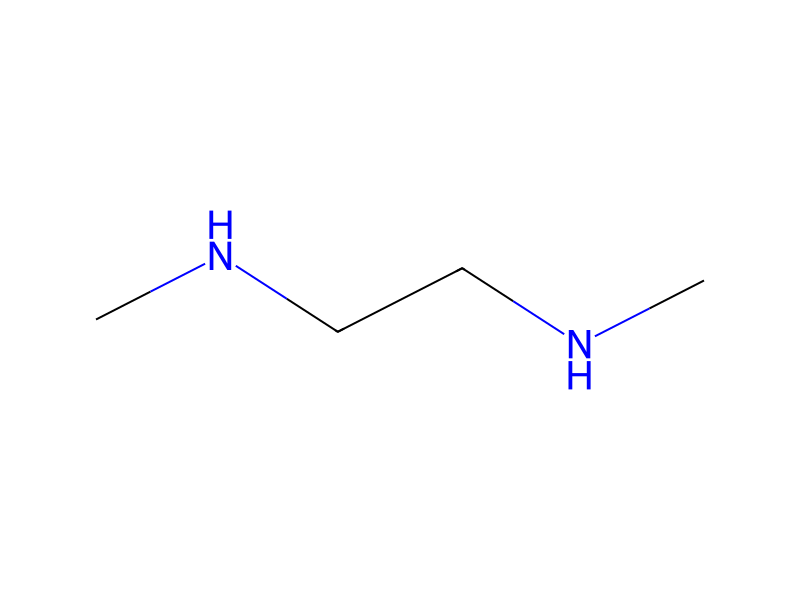
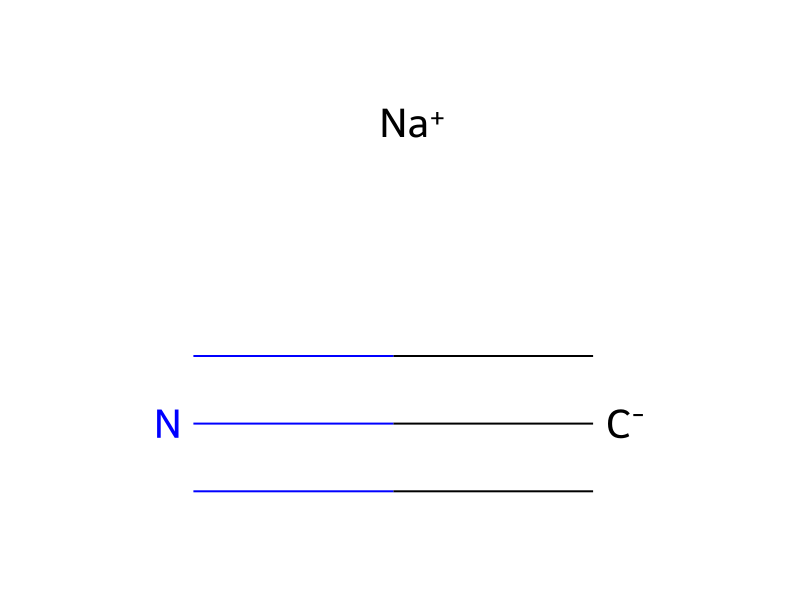
N,N′-dimethylethylenediamine (5.66 mL, 53 mMol) was added to a mixture of trans [2-(5-iodo-1H-indol-3-yl)-cyclopentylmethyl]-dimethylamine (19.4 g, 53 mMol), sodium cyanide (3.1 g, 63 mMol), and copper(I) iodide (1 g, 5.3 mMol) in deoxygenated anhydrous toluene (50 mL). The resulting mixture was heated in an oil bath to 125° C. under N2 for ˜18 h. The reaction was cooled to 50° C., diluted with ethyl acetate (400 mL), and heated to reflux for 5 min. The resulting suspension was transferred to a separatory funnel and washed with aqueous NaHCO3 (400 mL and twice with 200 mL). Every aqueous layer was extracted with ethyl acetate (50 mL) to make sure no product was left in aqueous layer. The combined organic layers were dried over MgSO4. Solvent was removed in vacuo to give the crude product which was purified by silica gel chromatography using dichloromethane/2.0 M ammonia in methanol (100/0 to 93/7) as the eluent, to give trans 3-(2-dimethylaminomethyl-cyclopentyl)-1H-indole-5-carbonitrile (11.7 g, 83%).