Reaction equation

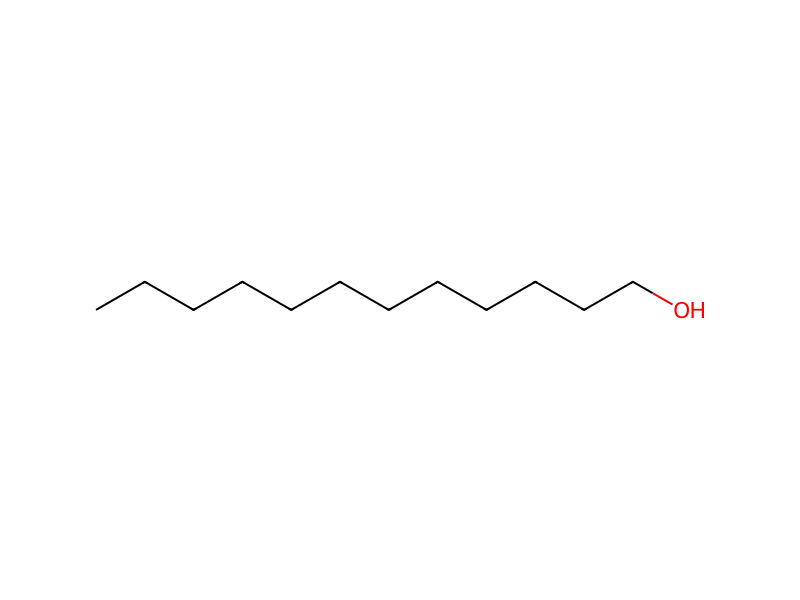
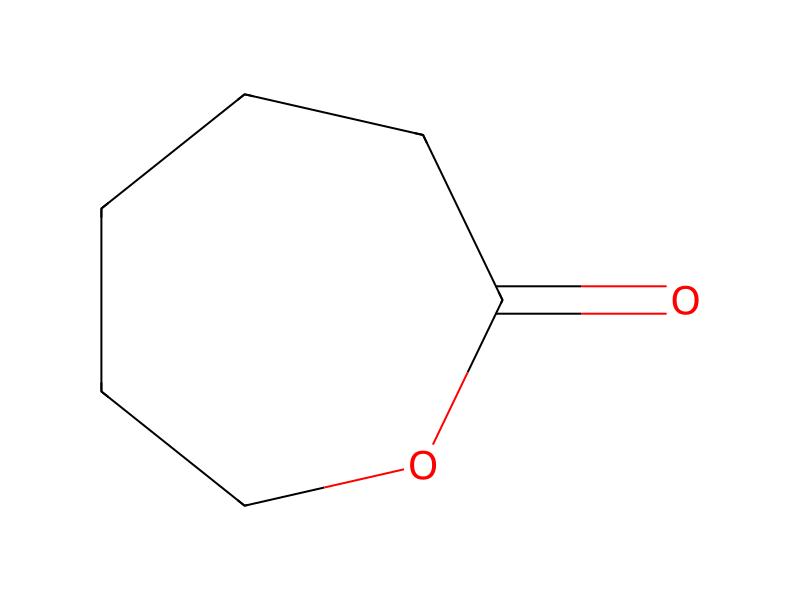
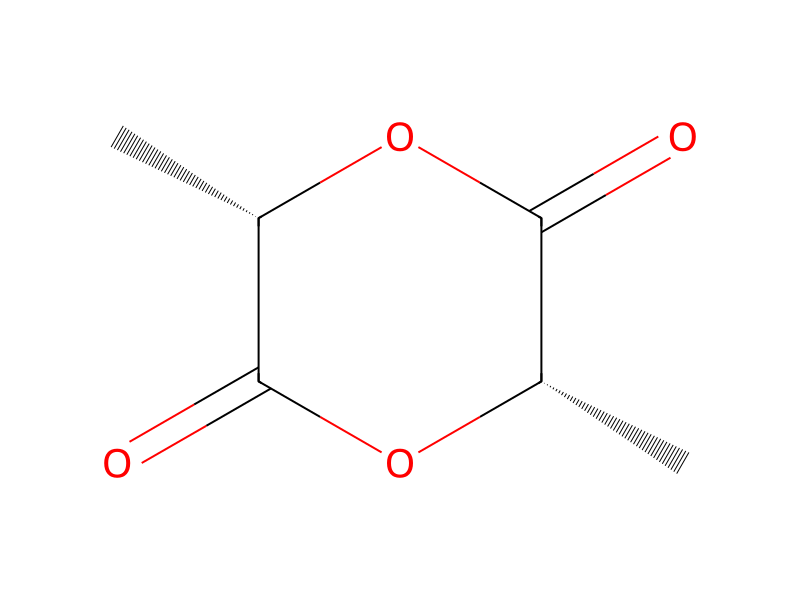
[CH3:1][C@@H:2]1[O:9]C(=O)[C@H](C)[O:5][C:3]1=[O:4].[C:11]1(=[O:18])[O:17][CH2:16][CH2:15][CH2:14][CH2:13][CH2:12]1.CCCCC(C([O-])=[O:27])CC.CCCCC(C([O-])=O)CC.[Sn+2].C(O)CCCCCCCCCCC>C1(C)C=CC=CC=1>[C:3]([OH:5])(=[O:4])[CH:2]([CH3:1])[OH:9].[OH:27][CH:12]([CH2:13][CH2:14][CH2:15][CH3:16])[C:11]([OH:17])=[O:18]Participants
6
Reactant 4

Product 1

Reagents, catalysts & solvents 1

Procedure
The same procedure as in Preparation Example 3 was effected except that 1441 g (10 mols) of L-lactide, 1140 g (10 mols) of ε-caprolactone and 10 ml of a toluene solution containing 0.26 g of stannous octoate, and 5 g of lauryl alcohol were used and that reaction was carried out at 160° C. for 10 hours, thereby obtaining a lactic acid-hydroxycaproic acid copolymer (hereinafter referred to as "PCLA1").
Workup
- customThe same procedure as in Preparation Example 3
- customwere used and that reaction
Sources & evidence
- ORD record
- ord-d9402f9cd14742bf8acde96329546880
- Source dataset
- uspto-grants-1995_06
- Patent number
- USRE034984
Linked notes
Loading…