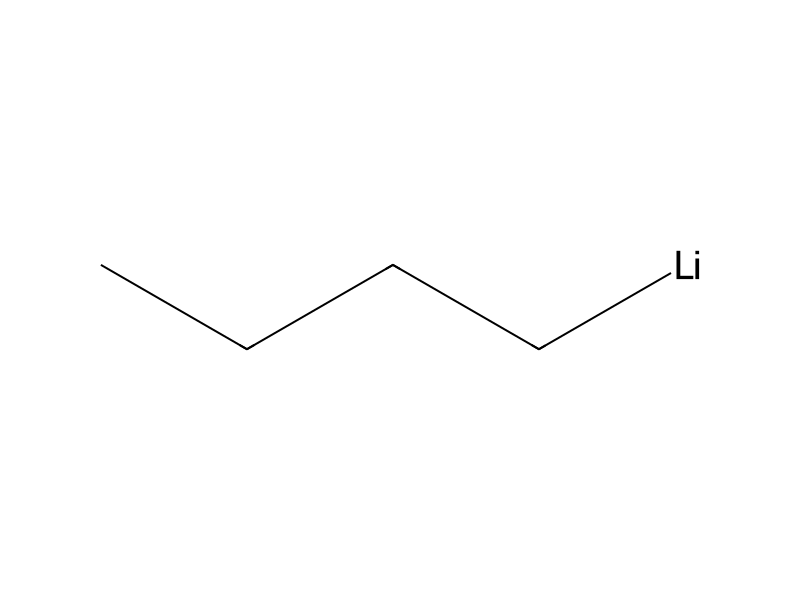
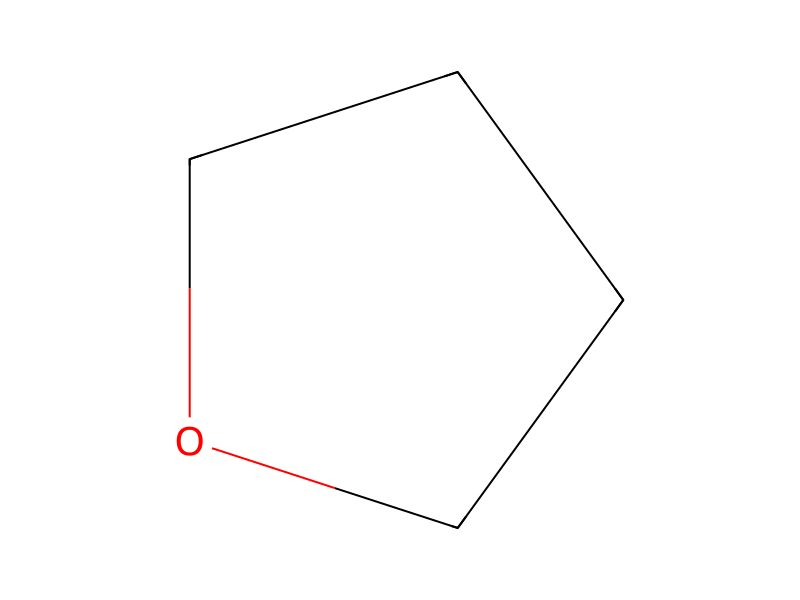
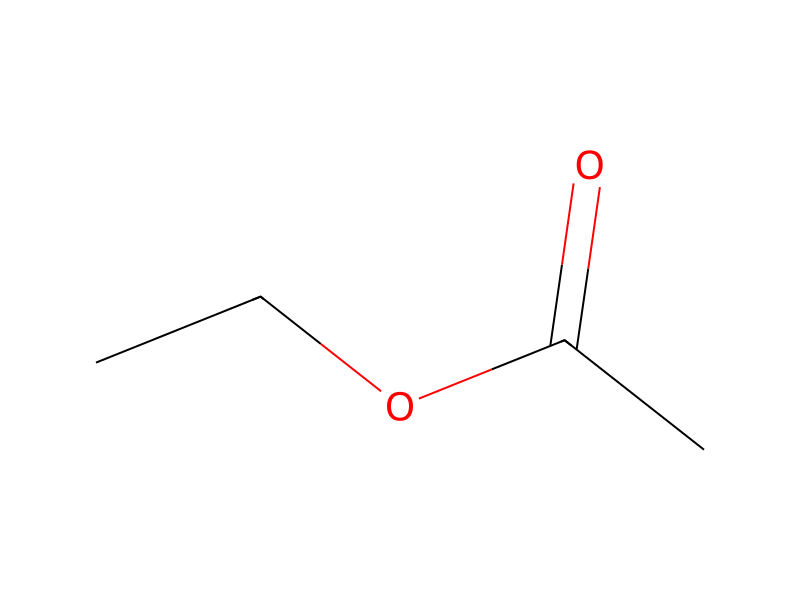
2,3-O-Isopropylidene-D-erythrose was prepared by literature procedures (Cohen, N., et al.; J. Am. Chem. Soc. 105, 3661 (1983)) from D-isoascorbic acid. To a suspension of isopropyltriphenylphosphine (121 g, 2.4 equiv, 0.314 mol) in tetrahydrofuran (1.5 L) at -40° C. under nitrogen was added n-butyllithium (1.6M solution in hexanes) (197 mL, 2.4 equiv) dropwise. The erythrose (21 g, 1 equiv, 0.131 mol) in tetrahydrofuran (231 mL) was also added dropwise maintaining the temperature at -40° C. The mixture was then allowed to warm to ambient temperature and stirred under nitrogen for 20 hours and then quenched by the addition of ammonium chloride (77 g). The insoluble material was removed by filtration through Celite and the filtrate concentrated at reduced pressure to afford a residue which was extracted (4×) with ether. The combined ether extracts were washed with water and brine, dried over magnesium sulfate, and concentrated in vacuo to afford a yellow oil. Chromatography on silica gel eluting with 20% ethyl acetate in hexanes afforded the title compound (13.0 g, 53%). In a separate experiment, distillation gave the title compound in 42% yield, b.p. 59°-70° C. (0.25 mmHg). [α]25D +43.1° (c 1.65, CHCl3) . IR (CDCl3) 3680-3320 (OH) cm-1. 1H NMR (DMSO-d6, 300 MHz) δ 1.27 (s, 3H), 1.36 (s, 3H) , 1.63 (s, 3H), 1.69 (s, 3H) , 3.33 (t , J= 6 Hz, 2H), 4.06 (dd, J=6, 12 Hz, 1H), 4.57 (t, J=6 Hz, 1H), 4.81 (dd, J=9, 11 Hz, 1H), 5.64 (d, J=9 Hz, 1H). MS (DCI/NH3) m/e 204 (M+H+NH3)+.