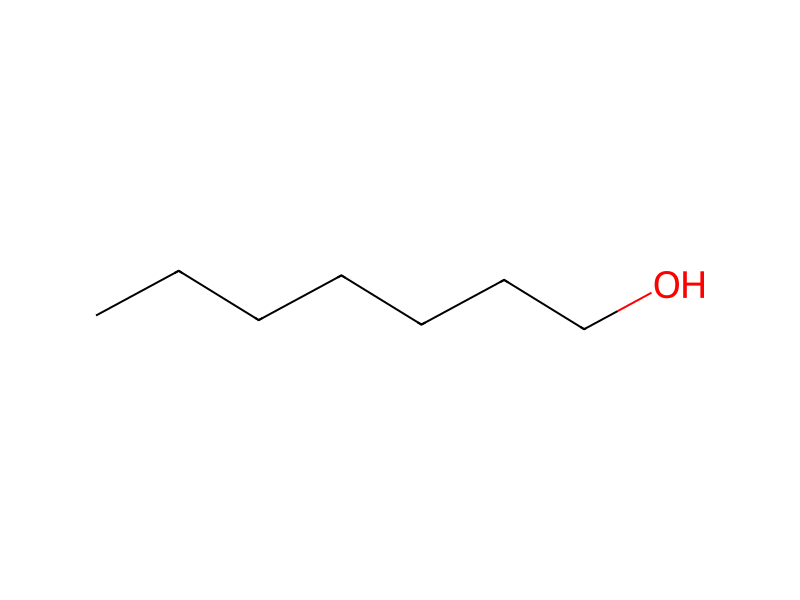
Ethylene Glycol → Heptanol
Reaction equation

[CH2:1]([OH:9])[CH2:2][CH2:3][CH2:4][CH2:5][CH2:6][CH2:7][CH3:8].[CH2:10]([OH:13])[CH2:11][OH:12]>OCC(CO)O>[CH2:1]([OH:9])[CH2:2][CH2:3][CH2:4][CH2:5][CH2:6][CH3:7].[CH2:10]([OH:13])[CH:11]([OH:12])[CH2:1][CH3:2].[CH2:1]([OH:9])[CH:2]([OH:12])[CH2:3][CH2:4][CH2:5][CH3:6].[CH2:10]([OH:13])[CH2:11][CH2:1][CH2:2][CH2:3][CH2:4][CH2:5][CH2:6][CH2:8][CH2:7][CH2:6][CH2:5][CH2:4][CH2:3][CH2:2][CH2:1][OH:9]Participants
7
Reactant 2


Product 4


Reagents, catalysts & solvents 1
Procedure
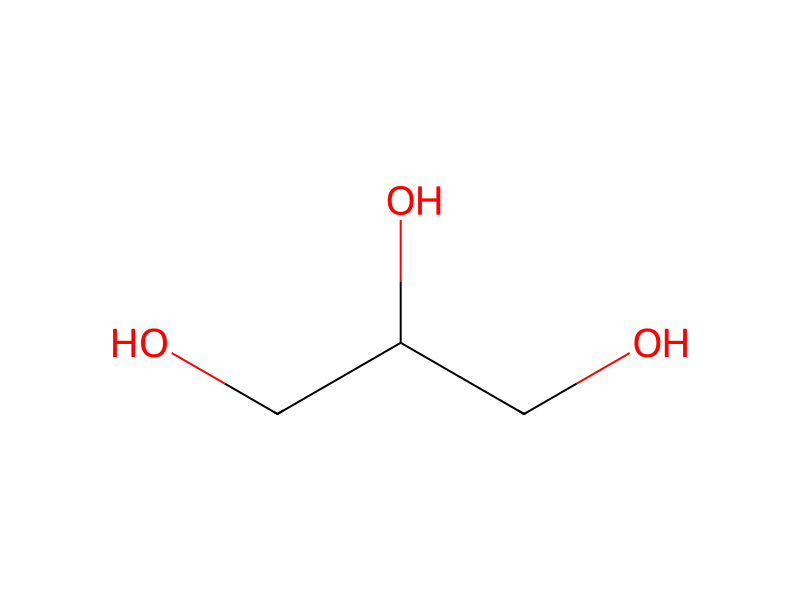
The photoreceptors of Comparative Examples (2) through (8) were obtained in the same manner as Example 1 except that 1-heptanol, 1-octanol, ethylene glycol, 1,2-butanediol, 1,2-hexanediol, glycerin and 1,16-hexadecanediol were used in place of 1,4-butanediol.
Sources & evidence
- ORD record
- ord-29f4af23caae43c586f29cd4ef5eafb7
- Source dataset
- uspto-grants-1994_09
- Patent number
- US05350655
Reaction notes
Loading…