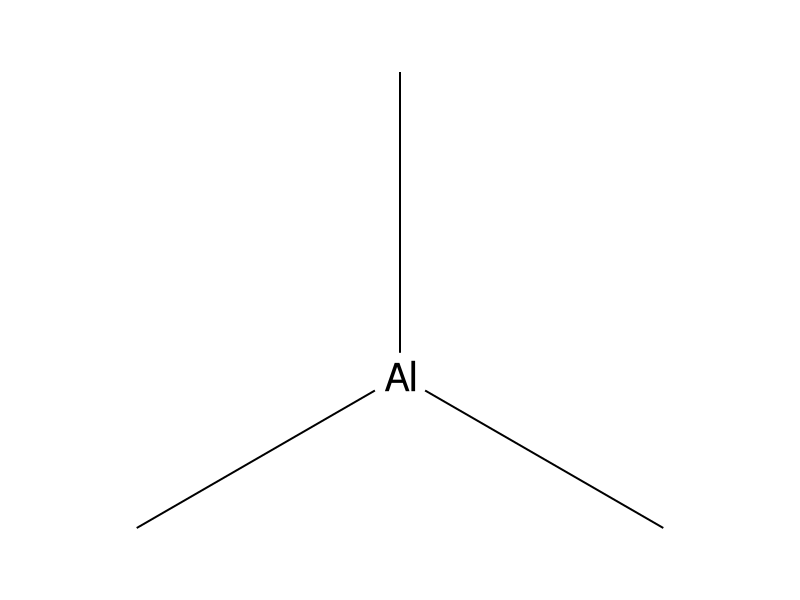
[C:1]1([S:11]([NH2:14])(=[O:13])=[O:12])[C:2]([S:7]([NH2:10])(=[O:9])=[O:8])=[CH:3][CH:4]=[CH:5][CH:6]=1.C[Al](C)C.C[O:20][C:21](=O)[NH:22][C:23]1[N:28]=[C:27]([O:29][CH3:30])[CH:26]=[C:25]([O:31][CH3:32])[N:24]=1.O>C(Cl)Cl.Cl.C(O)(=O)C>[CH3:30][O:29][C:27]1[CH:26]=[C:25]([O:31][CH3:32])[N:24]=[C:23]([NH:22][C:21]([NH:10][S:7]([C:2]2[C:1]([S:11]([NH2:14])(=[O:13])=[O:12])=[CH:6][CH:5]=[CH:4][CH:3]=2)(=[O:9])=[O:8])=[O:20])[N:28]=1To a suspension of 0.7 g of 1,2-benzenedisulfonamide and 1.5 ml of trimethylaluminum in 70 ml of anhydrous methylene chloride was added 0.6 g of 4,6-dimethoxypyrimidin-2-ylcarbamic acid methyl ester under N2 with stirring. After addition, the mixture was stirred at room temperature for 30 minutes and was then heated to reflux for 12 hours. The reaction mixture was then cooled down to room temperature. To this mixture was added 50 ml of methylene chloride, 100 ml of water, 10 ml of acetic acid and 5 drops of concentrated hydrochloric acid. The mixture was then stirred at room temperature for 20 minutes and was filtered. The organic layer was then separated, washed with water, dried over sodium sulfate and concentrated. The residue was then chromatographed on silica gel (CH2Cl2 /acetic acid 1:1) to yield 0.2 g of N-[(4,6-dimethoxypyrimidin-2-yl)aminocarbonyl]-1,2-benzenedisulfonamide, m.p. 192°-193° C.