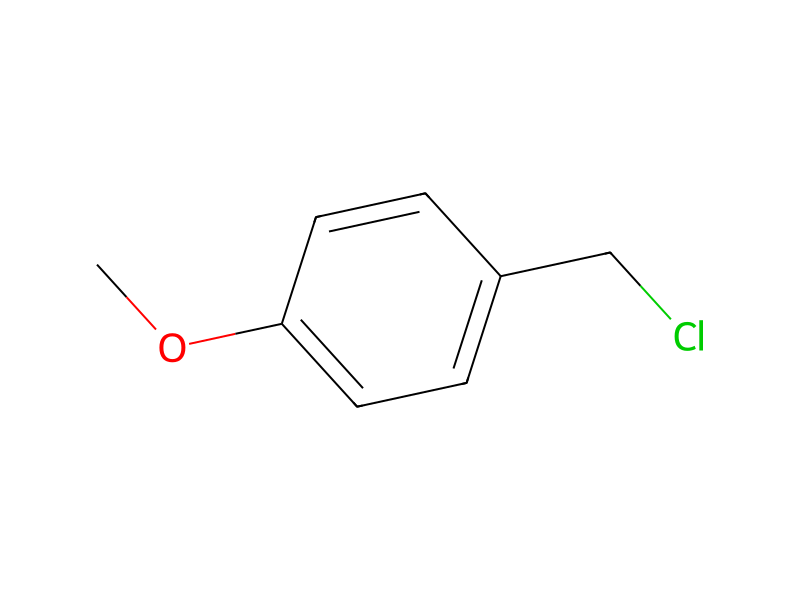
[Cl:1][C:2]1[C:3]([N+:20]([O-:22])=[O:21])=[CH:4][C:5]([CH3:19])=[C:6]([CH:18]=1)[O:7][C:8]1[CH:13]=[CH:12][N:11]=[C:10]2[NH:14][N:15]=[C:16]([I:17])[C:9]=12.CN(C=O)C.C([O-])([O-])=O.[K+].[K+].Cl[CH2:35][C:36]1[CH:41]=[CH:40][C:39]([O:42][CH3:43])=[CH:38][CH:37]=1>O>[CH3:43][O:42][C:39]1[CH:40]=[CH:41][C:36]([CH2:35][N:14]2[C:10]3=[N:11][CH:12]=[CH:13][C:8]([O:7][C:6]4[CH:18]=[C:2]([Cl:1])[C:3]([N+:20]([O-:22])=[O:21])=[CH:4][C:5]=4[CH3:19])=[C:9]3[C:16]([I:17])=[N:15]2)=[CH:37][CH:38]=14-(5-Chloro-2-methyl-4-nitrophenoxy)-3-iodo-1H-pyrazolo[3,4-b]pyridine (26.5 g, 61.5 mmol) was dissolved in stirring DMF (100 mL). K2CO3 (17.0 g, 123 mmol) and 1-(chloromethyl)-4-methoxybenzene (10.1 ml, 73.9 mmol) were added and the reaction mixture was stirred at ambient temperature under N2 for 18 hours. The mixture was diluted with water, and then the water was decanted. The gum washed a second time with water, and the water decanted. The residue was partitioned between EtOAc (250 mL) and brine (100 mL). The phases were separated, and the organic phase was dried (Na2SO4), filtered, and concentrated. The resulting solid was triturated with diethyl ether (100 mL), and the yellow powder (27.3 g, 80%) filtered. The product was a 9:1 mixture of pyrazole regioisomers as determined by 1H NMR: (400 MHz, CDCl3, major regioisomer reported) δ 8.43 (d, J=5 Hz, 1H), 7.95 (s, 1H), 7.38 (d, J=9 Hz, 2H), 7.19 (s, 1H), 6.84 (d, J=9 Hz, 2H), 6.35 (d, J=5 Hz, 1H), 5.64 (s, 2H), 3.77 (s, 3H), 2.36 (s, 3H).