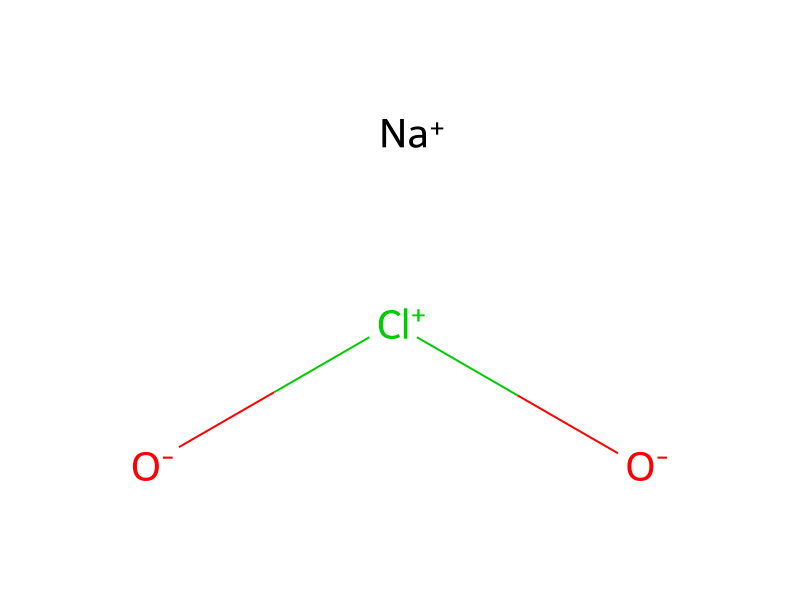
[CH2:1]([O:6][C:7]1[CH:8]=[C:9]([CH:12]=[CH:13][C:14]=1[O:15][CH2:16][CH2:17][CH:18]([CH3:20])[CH3:19])[CH:10]=[O:11])[CH2:2][CH:3]([CH3:5])[CH3:4].P([O-])(O)(O)=[O:22].[Na+].Cl([O-])=O.[Na+].Cl>C(#N)C.O.OO.C(Cl)(Cl)Cl>[CH2:1]([O:6][C:7]1[CH:8]=[C:9]([CH:12]=[CH:13][C:14]=1[O:15][CH2:16][CH2:17][CH:18]([CH3:20])[CH3:19])[C:10]([OH:22])=[O:11])[CH2:2][CH:3]([CH3:5])[CH3:4]In 30 ml of acetonitrile is dissolved 3.0 g of 3,4-diisopentyloxybenzaldehyde, to which are successively added at ambient temperature a solution of 4.5 g of sodium dihydrogenphosphate in 15 ml of water and 1.8 ml of 30% aqueous hydrogen peroxide. Then, a solution of 2.0 g of sodium chlorite in 30 ml of water is dropwise added thereto at 5-10° C., and the mixture thus obtained is stirred at ambient temperature for 3.5 hours. Chloroform and water are added to the reaction mixture, pH is adjusted to 2 with 6 mol/L hydrochloric acid, and the organic layer is separated. The organic layer thus obtained is washed with water and saturated aqueous solution of sodium chloride successively and dried over anhydrous magnesium sulfate, and then the solvent is distilled off under reduced pressure. Thus, 3.0 g of 3,4-diisopentyloxybenzoic acid is obtained as a white solid product.
Loading…