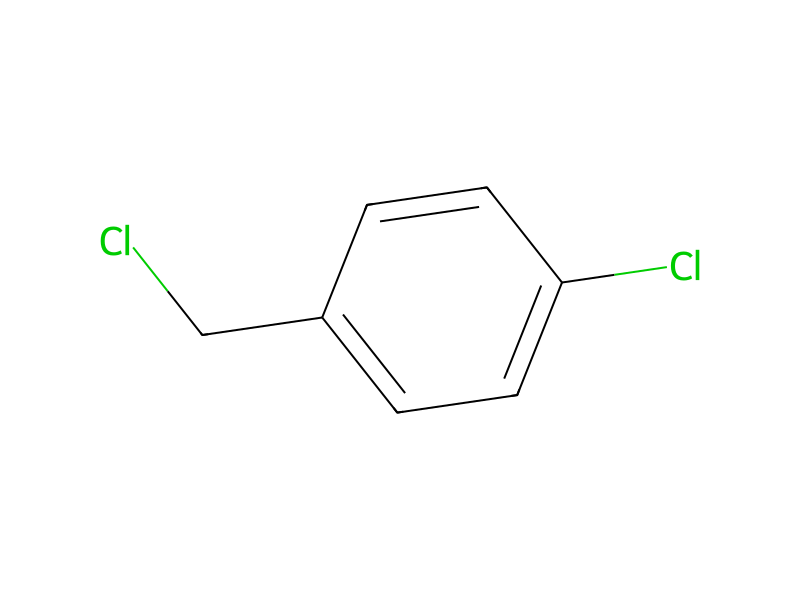
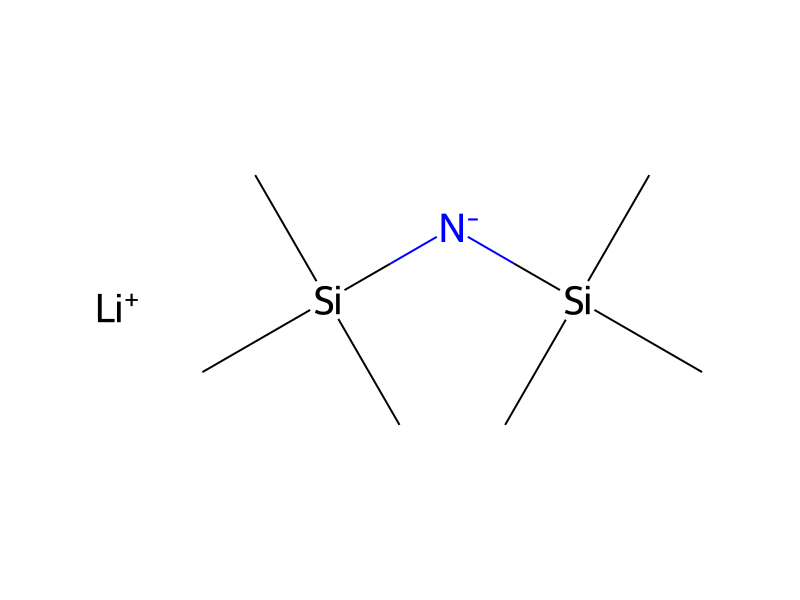
[CH2:1]([O:3][C:4](=[O:18])[CH:5]1[CH2:10][CH2:9][N:8]([C:11]([O:13][C:14]([CH3:17])([CH3:16])[CH3:15])=[O:12])[CH2:7][CH2:6]1)[CH3:2].C[Si]([N-][Si](C)(C)C)(C)C.[Li+].[Cl:29][C:30]1[CH:37]=[CH:36][C:33]([CH2:34]Cl)=[CH:32][CH:31]=1>O1CCCC1>[CH2:1]([O:3][C:4](=[O:18])[C:5]1([CH2:34][C:33]2[CH:36]=[CH:37][C:30]([Cl:29])=[CH:31][CH:32]=2)[CH2:6][CH2:7][N:8]([C:11]([O:13][C:14]([CH3:17])([CH3:16])[CH3:15])=[O:12])[CH2:9][CH2:10]1)[CH3:2]A solution of ethyl-N-boc-isonipecotate (51.4 g, 0.2 mole) in tetrahydrofuran (1 L) at -78° C. was treated with a solution of lithium bis (trimethylsilyl)amide in tetrahydrofuran (220 mL of a 1M solution). The solution was stirred at -60° for 15 minutes at which time 4-chlorobenzyl chloride (33.8 g, 0.22 moles) was added and the reaction warmed to room temperature over 1.5 hours. The reaction was concentrated at reduced pressure to one quarter volume and then poured into saturated aqueous sodium bicarbonate (1 L) and extracted with ethyl acetate (2×800 mL). The combined organic extracts were dried over anhydrous magnesium sulfate, filtered, and concentrated at reduced pressure. The residue was chromatographed on silica gel with 30% ethyl acetate/hexane as eluent to give 61.3 g.