Reaction equation

CO[C:3](=[O:20])[C:4]([C:9](=[O:19])[C:10]1[CH:15]=[CH:14][C:13]([O:16][CH3:17])=[C:12]([CH3:18])[CH:11]=1)=[CH:5]OCC.[CH3:21][C:22]1[N:27]=[CH:26][C:25]([NH2:28])=[CH:24][CH:23]=1>C1(OC2C=CC=CC=2)C=CC=CC=1>[CH3:17][O:16][C:13]1[CH:14]=[CH:15][C:10]([C:9]([C:4]2[C:3](=[O:20])[C:26]3[C:25](=[CH:24][CH:23]=[C:22]([CH3:21])[N:27]=3)[NH:28][CH:5]=2)=[O:19])=[CH:11][C:12]=1[CH3:18]Participants
4


Procedure
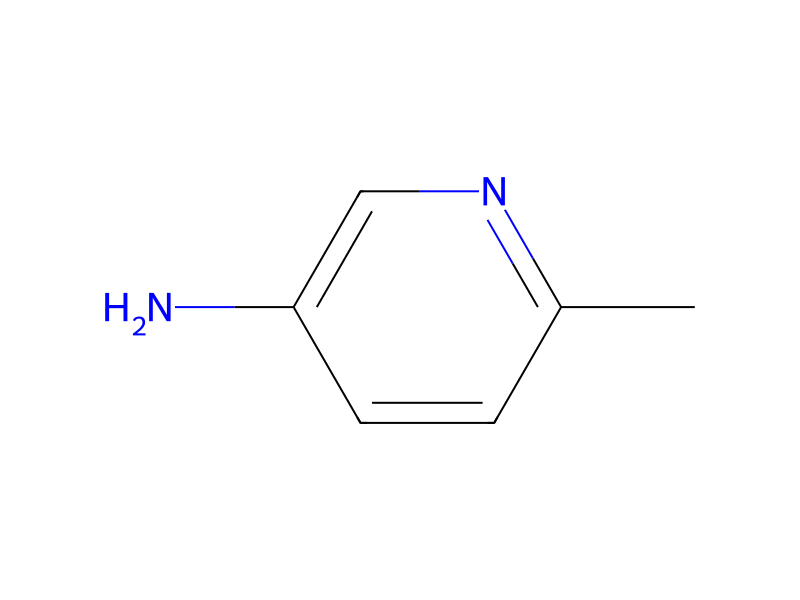
Experimental conditions analogous to those described for Step 1 of Example 1 were used with 0.50 g (1.88 mmol) of 3-ethoxy-2-(4-methoxy-3-methyl-benzoyl)-acrylic acid methyl ester, 0.20 g (1.88 mmol) of 6-Methyl-pyridin-3-ylamine, and 10 mL of diphenyl ether to yield 0.33 g of 3-(4-Methoxy-3-methyl-benzoyl)-6-methyl-1H-[1,5]naphthyridin-4-one.
Sources & evidence
- ORD record
- ord-2b9834e73ab544c49c9d92747a0ce5c9
- Source dataset
- uspto-grants-2009_07
- Patent number
- US07557213B2
Linked notes
Loading…