HomeMCPWorkbenchSkills
HomeWorkbenchNotificationsMe
llms.txt · MCP GuidePrivacy Policy · Terms of Service · Supportv1.8.0
  1. Home
  2. /Reaction

Sodium Carbonate → 4,5-Dicyclopropyl-3-fluoro-2-hydroxybenzaldehyde

HRID 2272521
Notes
Print preview

Reaction equation

HRID 2272521 reaction equation
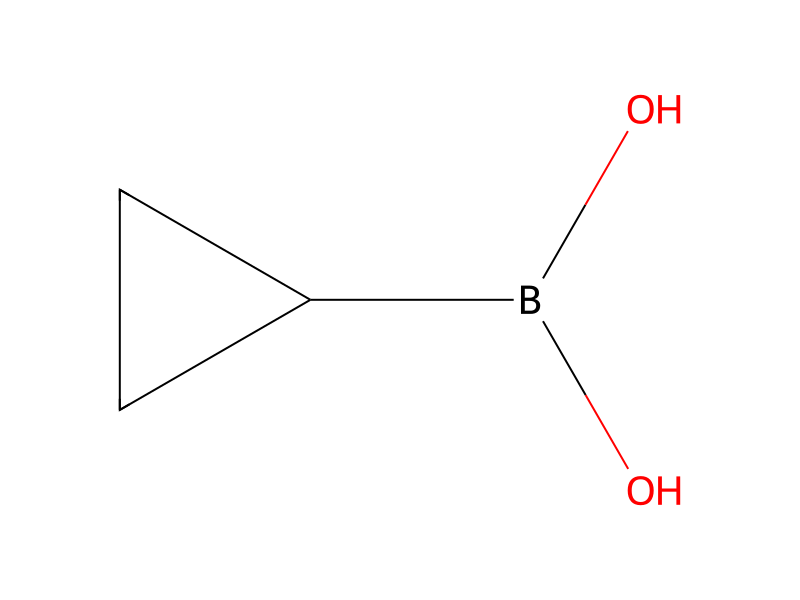
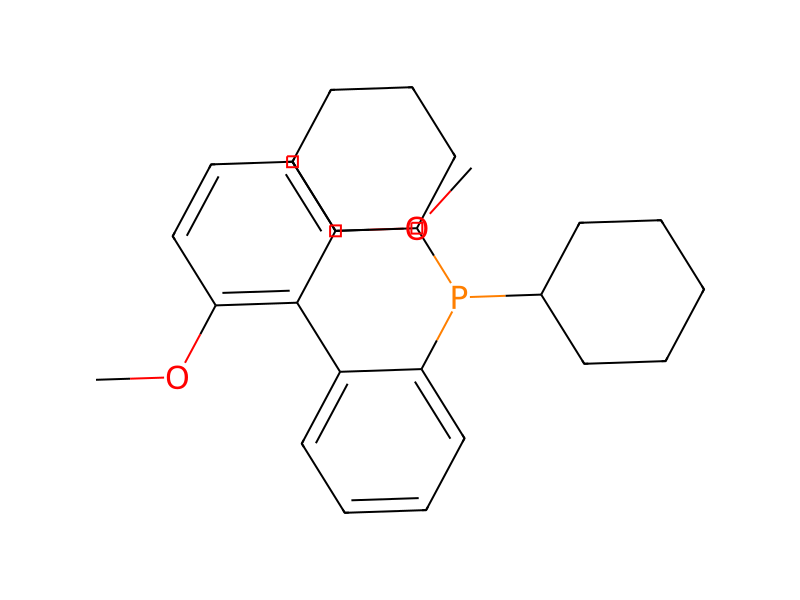
[CH:1]1(B(O)O)[CH2:3][CH2:2]1.C(=O)([O-])[O-].[Na+].[Na+].C1(P(C2CCCCC2)C2C=CC=CC=2C2C(OC)=CC=CC=2OC)CCCCC1.Br[C:43]1[C:44]([CH:53]2[CH2:55][CH2:54]2)=[C:45]([F:52])[C:46]([OH:51])=[C:47]([CH:50]=1)[CH:48]=[O:49]>C1C=CC(/C=C/C(/C=C/C2C=CC=CC=2)=O)=CC=1.C1C=CC(/C=C/C(/C=C/C2C=CC=CC=2)=O)=CC=1.C1C=CC(/C=C/C(/C=C/C2C=CC=CC=2)=O)=CC=1.[Pd].[Pd].O.C1(C)C=CC=CC=1>[CH:53]1([C:44]2[C:43]([CH:1]3[CH2:3][CH2:2]3)=[CH:50][C:47]([CH:48]=[O:49])=[C:46]([OH:51])[C:45]=2[F:52])[CH2:55][CH2:54]1
ParticipantsProcedureWorkupSources & evidenceReaction notes

Participants

8

Reactant 4

HCID 10340Sodium CarbonateHCID 2760897Cyclopropylboronic acidHCID 112698722-Dicyclohexylphosphino-2',6'-dimethoxybiphenylHCID 904234915-Bromo-4-cyclopropyl-3-fluoro-2-hydroxybenzaldehyde

Product 1

HCID 904235374,5-Dicyclopropyl-3-fluoro-2-hydroxybenzaldehydeYield 89.1%

Reagents, catalysts & solvents 3

HCID 9811564Bis(dibenzylideneacetone)palladiumCatalystHCID 962WaterSolventHCID 1140TolueneSolvent

Procedure

Cyclopropylboronic acid (1.72 g), a 2 M aqueous sodium carbonate solution (13 mL), tris(dibenzylideneacetone)dipalladium(0) (0.611 g), and dicyclohexyl(2′,6′-dimethoxybiphenyl-2-yl)phosphine (0.548 g) were added at room temperature to a toluene (50 mL) solution of 5-bromo-4-cyclopropyl-3-fluoro-2-hydroxybenzaldehyde (1.73 g), and the mixture was stirred at 100 C for 15 hours in an argon atmosphere. Water was added to the reaction mixture at room temperature, and the mixture was filtered through celite. Then, the filtrate was subjected to extraction with ethyl acetate. The obtained organic layer was washed with water and saturated saline in this order and dried over anhydrous magnesium sulfate, and then, the solvent was distilled off under reduced pressure. The obtained residue was purified by silica gel column chromatography (hexane/ethyl acetate) to obtain the title compound (1.31 g)

Workup

  1. filtrationthe mixture was filtered through celite
  2. extractionThen, the filtrate was subjected to extraction with ethyl acetate
  3. washThe obtained organic layer was washed with water and saturated saline in this order
  4. dry with materialdried over anhydrous magnesium sulfate
  5. distillationthe solvent was distilled off under reduced pressure
  6. customThe obtained residue was purified by silica gel column chromatography (hexane/ethyl acetate)

Sources & evidence

ORD record
ord-b1eecd357c814428b78db2ecad20309c
Source dataset
uspto-grants-2015_09
DOI
10.6084/m9.figshare.5104873.v1
Patent number
US09120777B2

Reaction notes

Loading…

On this pageParticipantsProcedureWorkupSources & evidenceReaction notes