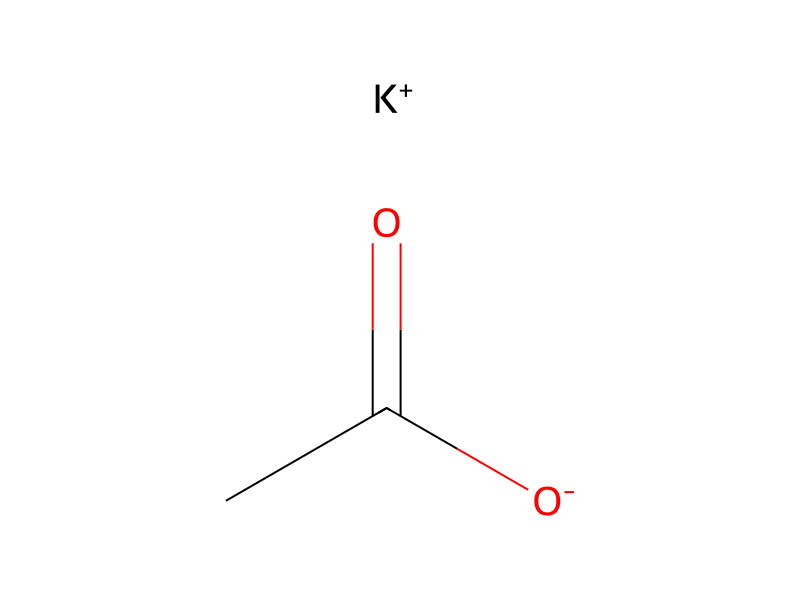
A mixture of 2-chloro-6,7-dihydro-8(5H)-quinolinone (0.100 g, 0.551 mmol, prepared as described in J. Org. Chem., 55, 4789-91, 1990) and 4-methyl-2-(3-pyridyl)thiazole (0.116 g, 0.661 mmol, WO 2010006713), potassium acetate (0.0648 g, 0.661 mmol) in DMA (2.8 mL) was stirred at ambient temperature under argon. To this solution was added [1,2-Bis(dppe)]Cl2Pd(II) (0.0159 g, 0.0275 mmol) and the solution irradiated in a microwave reactor at a temperature of 170° C. for 20 min. LCMS analysis showed the product and starting materials. Further irradiation at 190° C. led to no change and thus a further 0.0648 g of potassium acetate, and 0.0159 g mol of [1,2-Bis(dppe)]Cl2Pd(II) were added and irradiation continued at 180° C. for 20 min. LC-MS showed reaction completion. The reaction mixture was diluted with water and extracted with ethyl acetate. The organic phase was then washed with successively saturated aqueous NaHCO3 and brine, the organic phase dried over anhydrous Na2SO4, filtered and concentrated in vacuo. Purification by flash chromatography eluting with 0 to 100% ethyl acetate and then 10% MeOH in CH2Cl2 gave the title product (55 mg, 31%) as a beige solid.