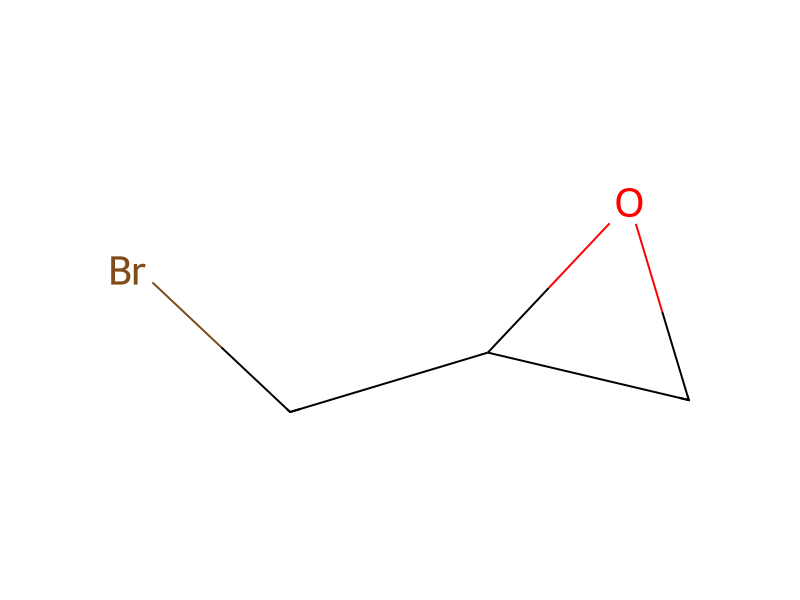
[OH:1][C:2]1[CH:7]=[CH:6][C:5]([CH2:8][C:9]([O:11][CH3:12])=[O:10])=[C:4]([O:13][CH2:14][C:15]([F:18])([F:17])[F:16])[CH:3]=1.[CH2:19]([CH:21]1[O:23][CH2:22]1)Br.C([O-])([O-])=O.[Cs+].[Cs+].CCOC(C)=O>CN(C=O)C>[CH2:19]([O:1][C:2]1[CH:7]=[CH:6][C:5]([CH2:8][C:9]([O:11][CH3:12])=[O:10])=[C:4]([O:13][CH2:14][C:15]([F:16])([F:17])[F:18])[CH:3]=1)[CH:21]1[O:23][CH2:22]1To a stirred solution of methyl 4-hydroxy-2-(2,2,2-trifluoroethoxy)phenylacetate (0.60 g, 2.4 mmol) from Step 4 of Example 32 in DMF (7 mL) was added epibromohydrin (0.50 g, 3.6 mmol) and Cs2CO3 (1.55 g, 4.8 mmol). The mixture was stirred at ambient temperature for 3 h. EtOAc was added (15 mL) and the solid was removed by filtration. The filtrate solvents were removed under reduced pressure and the residue was partitioned between EtOAc (50 mL) and saturated aqueous NaHCO3 (50 mL). The organic phase was dried (MgSO4), filtered, and the solvent was removed under reduced pressure to give methyl 4-(glycidyloxy)-2-(2,2,2-trifluoroethoxy)-phenylacetate as a pale yellow oil (HPLC retention time=8.3 min (method A)).
Loading…