Reaction equation

[NH2:1][C:2]1[CH:7]=[CH:6][N:5]=[CH:4][CH:3]=1.C(N(CC)CC)C.[C:15](Cl)(=[O:20])[C:16]([CH3:19])([CH3:18])[CH3:17].O>ClCCl>[CH3:17][C:16]([CH3:19])([CH3:18])[C:15]([NH:1][C:2]1[CH:7]=[CH:6][N:5]=[CH:4][CH:3]=1)=[O:20]Participants
Reactant 4

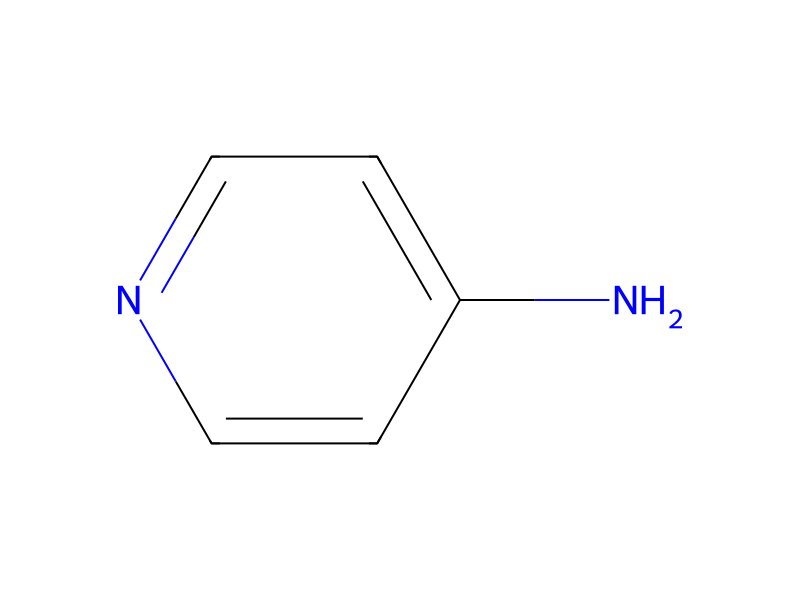


Product 1

Reagents, catalysts & solvents 1

Conditions
- Temperature
- 0 °C
Procedure
4-Aminopyridine (4.70 g) and triethylamine (6.31 g) were dissolved in dichloromethane (75 ml) to prepare a solution which was then cooled to 0° C. A solution of pivaloyl chloride (6.63 g) in dichloromethane (10 ml) was gradually added dropwise thereto, and the mixture was stirred at 0° C. for 15 min. Thereafter, the reaction solution was stirred at room temperature overnight. The reaction solution was poured into water (50 ml). The dichloromethane layer was washed with a dilute aqueous sodium hydrogencarbonate solution and was dried over anhydrous sodium sulfate. The solvent was removed by distillation under the reduced pressure, and the residue was purified by column chromatography using chloroform to give 2,2-dimethyl-N-pyridin-4-yl-propionamide (7.70 g, yield 87%).
Workup
- customto prepare a solution which
- stirringThereafter, the reaction solution was stirred at room temperature overnight
- washThe dichloromethane layer was washed with a dilute aqueous sodium hydrogencarbonate solution
- dry with materialwas dried over anhydrous sodium sulfate
- customThe solvent was removed by distillation under the reduced pressure
- customthe residue was purified by column chromatography
Sources & evidence
- ORD record
- ord-33d579f4efb9499e88804f033d85b257
- Source dataset
- uspto-grants-2009_07
- Patent number
- US07560558B2
Linked notes
Loading…