Reaction equation

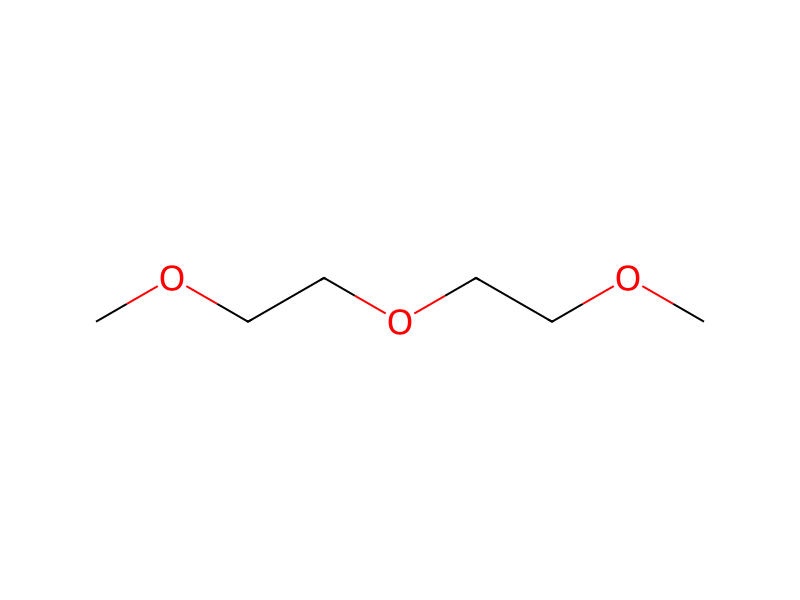
C[O:2][C:3]1[C:16]2[C:7](=[CH:8][C:9]3[C:14]([CH:15]=2)=[CH:13][CH:12]=[CH:11][CH:10]=3)[C:6]([O:17]C)=[CH:5][CH:4]=1.C1C=CC2C(=O)C3C(=C(O)C=CC=3O)C(=O)C=2C=1.[BH4-].[Na+]>COCCOCCOC.CO>[C:3]1(=[O:2])[C:16]2[C:7](=[CH:8][C:9]3[C:14]([CH:15]=2)=[CH:13][CH:12]=[CH:11][CH:10]=3)[C:6](=[O:17])[CH:5]=[CH:4]1Participants
6
Reactant 3



Product 1

Reagents, catalysts & solvents 2

Procedure
Although the preparation of 1,4-dimethoxyanthracene (1) has been reported (Criswell, et al., J. Org. Chem. 1974, 39, 770-774) by using methylation of quinizarin (3) followed by sequential reduction of the diketo function with sodium borohydride in diglyme, the difficulty in the reduction steps prompted us to investigate an easier method in the preparation of 1. Reduction of 3 with sodium borohydride in MeOH followed by quenching with HCl gave a 95% yield of 1,4-anthraquinone (4) (Scheme 2). Reduction of the quinone moiety of 4 with aqueous sodium hydrosulfite in 1,4-dioxane provided 1,4-dihydroxyanthracene (5). Methylation of 5 with sodium hydride in DMF at room temperature gave excellent yield of 1.
Workup
- customin the preparation of 1
- customby quenching with HCl
Sources & evidence
- ORD record
- ord-2846e1f06cac499386558423024d60af
- Source dataset
- uspto-grants-2004_12
- Patent number
- US06828450B2
Linked notes
Loading…