HomeMCPWorkbenchSkills
HomeWorkbenchNotificationsMe
llms.txt · MCP GuidePrivacy Policy · Terms of Service · Supportv1.8.3
  1. Home
  2. /Reaction

N,N-Dimethylglycine → 1-[4-(1,3-oxazol-5-yl)phenyl]-3-(trifluoromethyl)-4,5,6,7-tetrahydro-1H-indazole

HRID 230695
Print

Reaction equation

HRID 230695 reaction equation
[F:1][C:2]([F:13])([F:12])[C:3]1[C:11]2[CH2:10][CH2:9][CH2:8][CH2:7][C:6]=2[NH:5][N:4]=1.Br[C:15]1[CH:20]=[CH:19][C:18]([C:21]2[O:25][CH:24]=[N:23][CH:22]=2)=[CH:17][CH:16]=1.CN(C)CC(O)=O.C(=O)([O-])[O-].[K+].[K+]>CS(C)=O.[Cu]I>[O:25]1[C:21]([C:18]2[CH:19]=[CH:20][C:15]([N:5]3[C:6]4[CH2:7][CH2:8][CH2:9][CH2:10][C:11]=4[C:3]([C:2]([F:1])([F:12])[F:13])=[N:4]3)=[CH:16][CH:17]=2)=[CH:22][N:23]=[CH:24]1
ParticipantsConditionsProcedureWorkupSources & evidenceReaction notes

Participants

7

Reactant 4

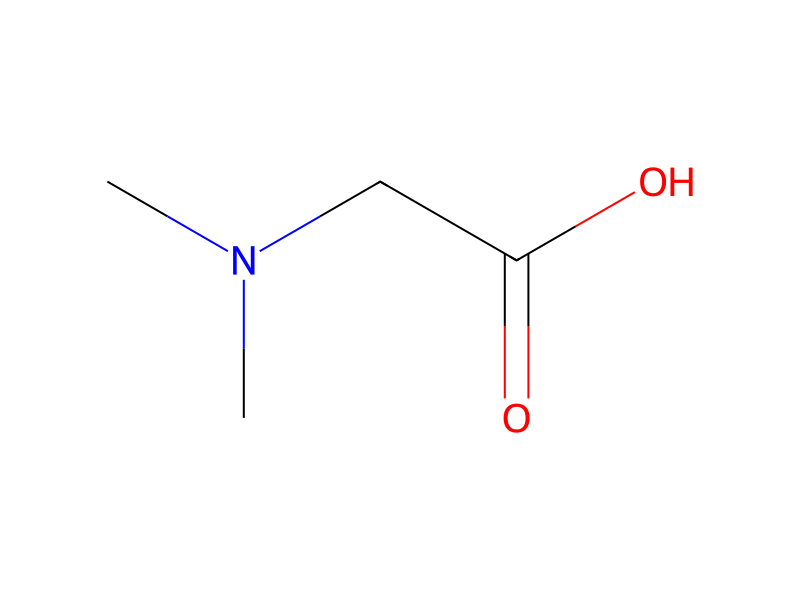
HCID 673N,N-DimethylglycineHCID 11430Potassium CarbonateHCID 27764185-(4-Bromophenyl)-1,3-oxazoleHCID 28028633-(Trifluoromethyl)-4,5,6,7-tetrahydro-1H-indazole

Product 1

HCID 248263651-[4-(1,3-oxazol-5-yl)phenyl]-3-(trifluoromethyl)-4,5,6,7-tetrahydro-1H-indazoleYield 30%

Reagents, catalysts & solvents

2
HCID 24350Copper(1+) iodide; Copper(I) iodide; Cuprous iodide; Cuprous iodide (CuI)CatalystHCID 679Dimethyl SulfoxideSolvent

Conditions

Temperature
180 °C

Procedure

A mixture of 3-(trifluoromethyl)-4,5,6,7-tetrahydro-1H-indazole (152 mg, 0.8 mmol), 5-(4-bromophenyl)-1,3-oxazole (179 mg, 0.8 mmol), N,N-dimethylglycine (16 mg, 0.16 mmol), copper (I) iodide (16 mg, 0.08 mmol), potassium carbonate (235 mg, 1.7 mmol) in dimethylsulfoxide (3 ml) was heated in a microwave reactor at 180° C. for a total of 60 minutes. The reaction mixture was then filtered through a 5 g sep-pack column with 40 ml 1:1 ethyl acetate in petroleum ether. The solvent was removed by rotary evaporation and the residue partitioned between ethyl acetate (20 ml) and water (20 ml). The organic layer was retained and washed with brine (2×10 ml). The organic material was then purified by MDAP. The relevant fractions were combined and the solvent removed by rotary evaporation to give the named products. Product was then partitioned between dichloromethane (40 ml) and water (40 ml). The organic layer was retained and the solvent removed by rotary evaporation to give the title compound (80 mg, 30%).

Workup

  1. filtrationThe reaction mixture was then filtered through a 5 g sep-pack column with 40 ml 1:1 ethyl acetate in petroleum ether
  2. customThe solvent was removed by rotary evaporation
  3. customthe residue partitioned between ethyl acetate (20 ml) and water (20 ml)
  4. washwashed with brine (2×10 ml)
  5. customThe organic material was then purified by MDAP
  6. customthe solvent removed by rotary evaporation
  7. customto give the named products
  8. customProduct was then partitioned between dichloromethane (40 ml) and water (40 ml)
  9. customthe solvent removed by rotary evaporation

Sources & evidence

ORD record
ord-f0504046b0664de48c6972c1ad583d71
Source dataset
uspto-grants-2009_07
DOI
10.6084/m9.figshare.5104873.v1
Patent number
US07566735B2

Reaction notes

On this pageParticipantsConditionsProcedureWorkupSources & evidenceReaction notes