HomeMCPWorkbenchSkills
HomeWorkbenchNotificationsMe
llms.txt · MCP GuidePrivacy Policy · Terms of Service · Supportv1.8.3
  1. Home
  2. /Reaction

Carvacrol → Carvone, (-)-

HRID 2308168
Print

Reaction equation

HRID 2308168 reaction equation
[CH3:1][C@H:2]1[C:7](=[O:8])[CH2:6][C@H:5]([C:9]([CH3:11])=[CH2:10])[CH2:4][CH2:3]1.C1C(C(C)C)=CC=C(C)C=1O.[OH-].[Mg+2].[OH-]>O>[CH3:1][C:2]1[C:7](=[O:8])[CH2:6][C@H:5]([C:9]([CH3:11])=[CH2:10])[CH2:4][CH:3]=1
ParticipantsConditionsProcedureWorkupSources & evidenceReaction notes

Participants

5

Reactant 3

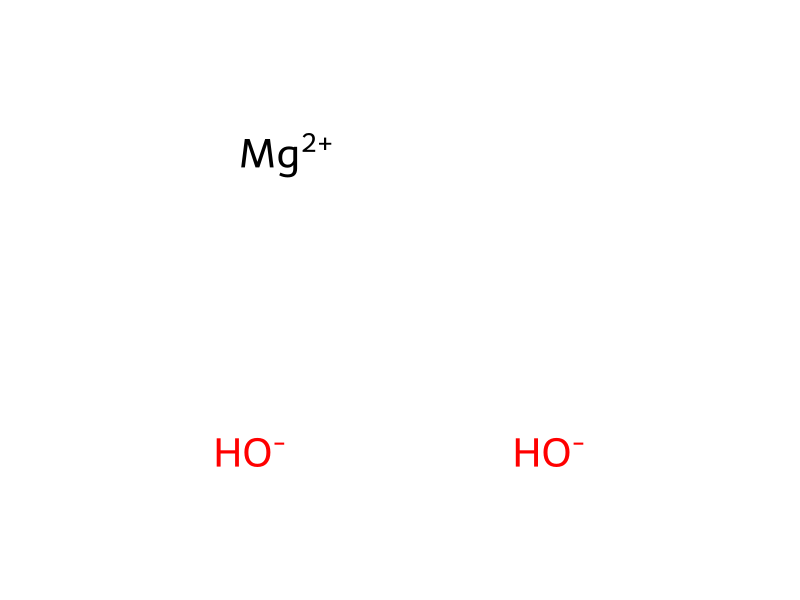
HCID 10364CarvacrolHCID 22227(+)-DihydrocarvoneHCID 73981Magnesium Hydroxide

Product 1

HCID 439570Carvone, (-)-

Reagents, catalysts & solvents 1

HCID 962WaterSolvent

Conditions

Temperature
216 °C

Procedure

A mixture of 100 parts of R-(+)-1,2-limonene oxide, 75 parts of dihydrocarvone, 3 parts of carvacrol and 1 part magnesium hydroxide was refluxed at 212-220° C. for 10 hours in a three-necked flask equipped with agitator, temperature probe, and Dean-Stark trap (about 1 part water was removed). The reaction mixture was cooled down to 40° C., the catalyst was flittered out and the filtrate distilled under vacuum using Vigreux column. Distillate (160 parts) contains 28% unreacted 1,2-limonene oxide and 31% R-(−)-carvone. The yield of R-(−)-carvone is 49.6 parts or 68.8% on reacted 1,2-limonene oxide. This mixture was further purified using conventional separation techniques to obtain flavor grade R-(−)-carvone.

Workup

  1. temperatureThe reaction mixture was cooled down to 40° C.
  2. distillationthe filtrate distilled under vacuum
  3. customon reacted 1,2-limonene oxide
  4. customThis mixture was further purified
  5. customseparation techniques

Sources & evidence

ORD record
ord-d788b343ad30456591717678080ba0e4
Source dataset
uspto-grants-2004_12
DOI
10.6084/m9.figshare.5104873.v1
Patent number
US06835686B2

Reaction notes

On this pageParticipantsConditionsProcedureWorkupSources & evidenceReaction notes