HomeMCPWorkbenchSkills
HomeWorkbenchNotificationsMe
llms.txt · MCP GuidePrivacy Policy · Terms of Service · Supportv1.8.3
  1. Home
  2. /Reaction

Hydrochloric Acid → 4-(2,3,4,6-Tetra-O-acetyl-beta-D-glucopyranosyloxy)-3-[(E)-2-(4-bromophenyl)vinyl]benzofuran

HRID 230927
Print

Reaction equation

HRID 230927 reaction equation
[C:1]([O:4][C@@H:5]1[C@@H:10]([O:11][C:12](=[O:14])[CH3:13])[C@H:9]([O:15][C:16](=[O:18])[CH3:17])[C@@H:8]([CH2:19][O:20][C:21](=[O:23])[CH3:22])[O:7][C@H:6]1[O:24][C:25]1[CH:30]=[CH:29][CH:28]=[C:27]([O:31][CH2:32]C(OC)=O)[C:26]=1[C:37](=O)[CH3:38])(=[O:3])[CH3:2].[Br:40][C:41]1[CH:48]=[CH:47][C:44]([CH:45]=O)=[CH:43][CH:42]=1.[OH-].[K+].Cl>C(O)C.O>[C:1]([O:4][C@@H:5]1[C@@H:10]([O:11][C:12](=[O:14])[CH3:13])[C@H:9]([O:15][C:16](=[O:18])[CH3:17])[C@@H:8]([CH2:19][O:20][C:21](=[O:23])[CH3:22])[O:7][C@H:6]1[O:24][C:25]1[C:26]2[C:37](/[CH:38]=[CH:45]/[C:44]3[CH:47]=[CH:48][C:41]([Br:40])=[CH:42][CH:43]=3)=[CH:32][O:31][C:27]=2[CH:28]=[CH:29][CH:30]=1)(=[O:3])[CH3:2]
ParticipantsProcedureWorkupSources & evidenceReaction notes

Participants

7

Reactant 4

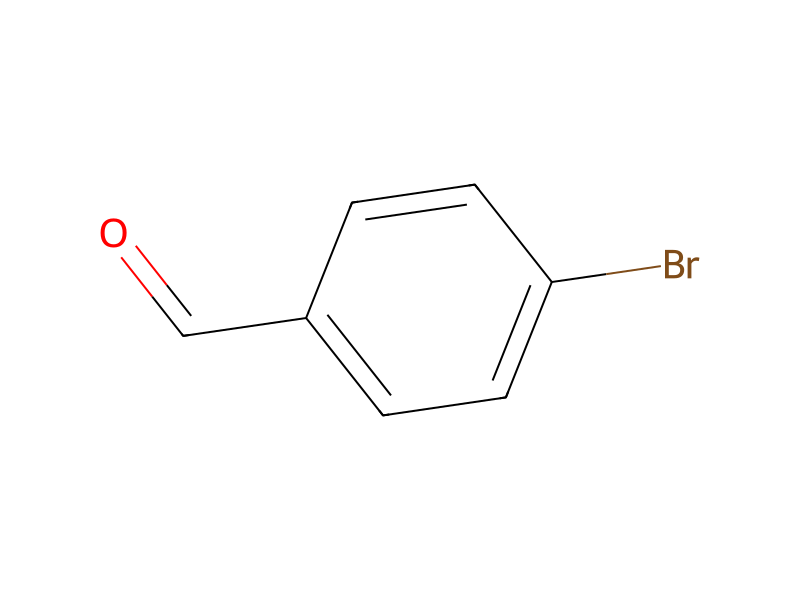
HCID 313Hydrochloric AcidHCID 14797Potassium HydroxideHCID 707414-BromobenzaldehydeHCID 671359432'-(2,3,4,6-Tetra-O-acetyl-beta-D-glucopyranosyloxy)-6'-(methoxycarbonylmethoxy)acetophenone

Product 1

HCID 671363394-(2,3,4,6-Tetra-O-acetyl-beta-D-glucopyranosyloxy)-3-[(E)-2-(4-bromophenyl)vinyl]benzofuran
Yield 31.2%

Reagents, catalysts & solvents 2

HCID 702EthanolSolventHCID 962WaterSolvent

Procedure

To a suspension of 2′-(2,3,4,6-tetra-O-acetyl-β-D-glucopyranosyloxy)-6′-(methoxycarbonylmethoxy)acetophenone (0.55 g) and 4-bromobenzaldehyde (0.19 g) in ethanol (9 mL) were added water (3 mL) and potassium hydroxide (0.67 g), and the mixture was stirred at room temperature for three days. To the reaction mixture was added 2 mol/L hydrochloric acid (7 mL), and the resulting mixture was extracted with ethyl acetate twice. The extracts were combined and dried over anhydrous magnesium sulfate. The solvent was removed under reduced pressure. To the residue were added sodium acetate (1.97 g), acetic acid (5 mL) and acetic anhydride (2.08 mL), and the mixture was stirred at 115° C. overnight. The reaction mixture was cooled to room temperature and poured into water, and the resulting mixture was extracted with ethyl acetate. The extract was washed with water and brine, and dried over anhydrous sodium sulfate. The solvent was removed under reduced pressure, and the residue was purified by column chromatography on silica gel (eluent: n-hexane/ethyl acetate=2/1-3/2) to give the title compound (0.2 g).

Workup

  1. extractionthe resulting mixture was extracted with ethyl acetate twice
  2. dry with materialdried over anhydrous magnesium sulfate
  3. customThe solvent was removed under reduced pressure
  4. additionTo the residue were added sodium acetate (1.97 g), acetic acid (5 mL) and acetic anhydride (2.08 mL)
  5. stirringthe mixture was stirred at 115° C. overnight
  6. temperatureThe reaction mixture was cooled to room temperature
  7. additionpoured into water
  8. extractionthe resulting mixture was extracted with ethyl acetate
  9. washThe extract was washed with water and brine
  10. dry with materialdried over anhydrous sodium sulfate
  11. customThe solvent was removed under reduced pressure
  12. customthe residue was purified by column chromatography on silica gel (eluent: n-hexane/ethyl acetate=2/1-3/2)

Sources & evidence

ORD record
ord-0de56be5cfec4e798beef56d98a833d1
Source dataset
uspto-grants-2009_07
DOI
10.6084/m9.figshare.5104873.v1
Patent number
US07566699B2

Reaction notes

On this pageParticipantsProcedureWorkupSources & evidenceReaction notes