HomeMCPWorkbenchSkills
HomeWorkbenchNotificationsMe
llms.txt · MCP GuidePrivacy Policy · Terms of Service · Supportv1.8.0
  1. Home
  2. /Reaction

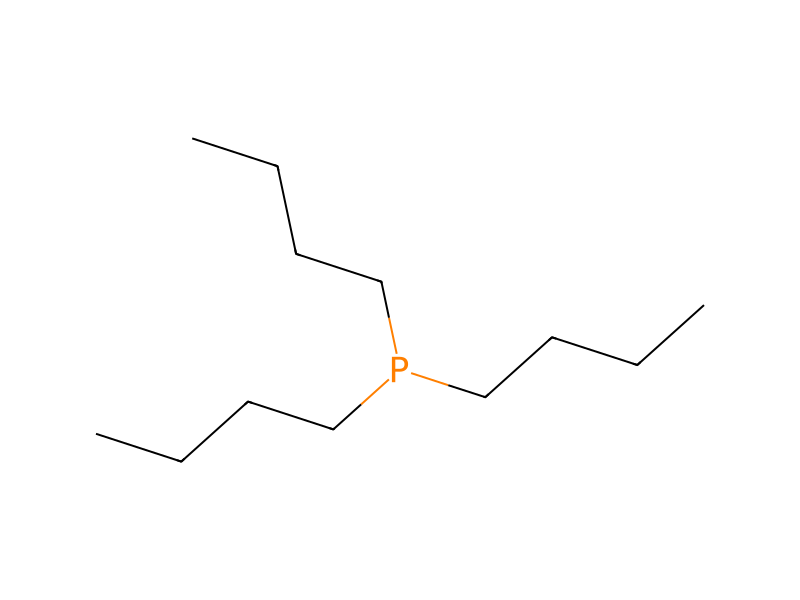
Tributylphosphine → 4-(4-Chlorophenyl)-3-(3-cyanophenyl)-2-butanol

HRID 2354500
Notes
Print preview

Reaction equation

HRID 2354500 reaction equation
[Cl:1][C:2]1[CH:7]=[CH:6][C:5]([CH2:8][CH:9]([C:13]2[CH:18]=[CH:17][CH:16]=[C:15](Br)[CH:14]=2)[CH:10]([OH:12])[CH3:11])=[CH:4][CH:3]=1.C(P(CCCC)CCCC)CCC.[CH3:33][N:34](C)C=O.O>[C-]#N.[Zn+2].[C-]#N.C1(P(C2C=CC=CC=2)[C-]2C=CC=C2)C=CC=CC=1.[C-]1(P(C2C=CC=CC=2)C2C=CC=CC=2)C=CC=C1.[Fe+2].C1C=CC(/C=C/C(/C=C/C2C=CC=CC=2)=O)=CC=1.C1C=CC(/C=C/C(/C=C/C2C=CC=CC=2)=O)=CC=1.C1C=CC(/C=C/C(/C=C/C2C=CC=CC=2)=O)=CC=1.[Pd].[Pd]>[Cl:1][C:2]1[CH:7]=[CH:6][C:5]([CH2:8][CH:9]([C:13]2[CH:18]=[CH:17][CH:16]=[C:15]([C:33]#[N:34])[CH:14]=2)[CH:10]([OH:12])[CH3:11])=[CH:4][CH:3]=1
ParticipantsConditionsProcedureWorkupSources & evidenceReaction notes

Participants

7

Reactant 3

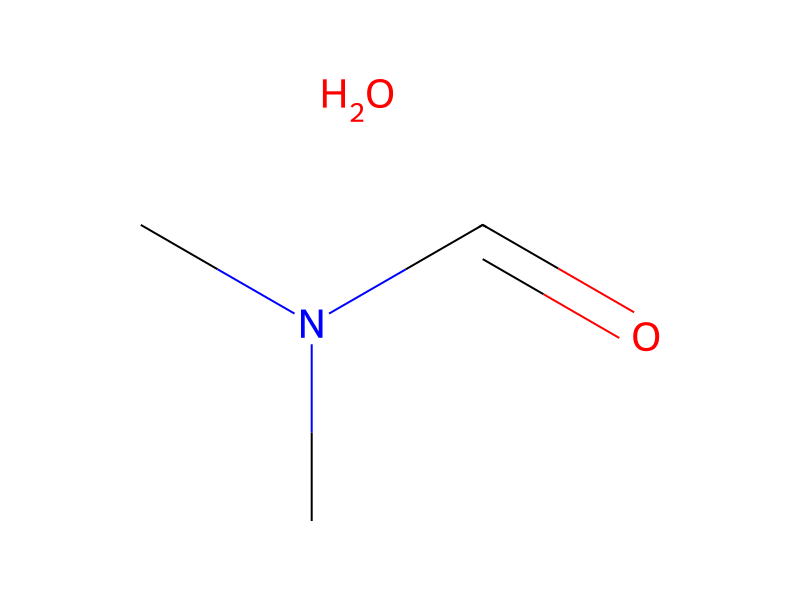
HCID 13831TributylphosphineHCID 21962138N,N-Dimethylformamide--water (1/1)HCID 574387144-(4-Chlorophenyl)-3-(3-bromophenyl)-2-butanol

Product 1

HCID 115293394-(4-Chlorophenyl)-3-(3-cyanophenyl)-2-butanol

Reagents, catalysts & solvents 3

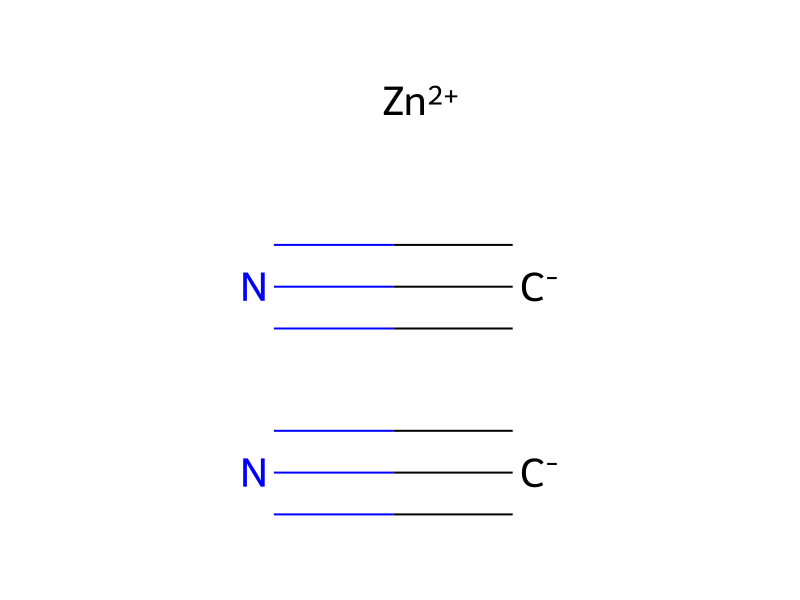
HCID 11186Zinc cyanide (Zn(CN)2)Catalyst
HCID 635956
Ferrocene-1,1'-bis-(diphenylphosphine)
Catalyst
HCID 9811564Bis(dibenzylideneacetone)palladiumCatalyst

Conditions

Temperature
115 °C

Procedure

To a solution of 4-(4-chlorophenyl)-3-(3-bromophenyl)-2-butanol (1.5 kg, 4.6 mol) in dimethylformamide/water (volume ratio 99:1, 15 L total) was added zinc cyanide (0.39 kg, 3.3 mol), 1,1′-bis(diphenylphosphino)ferrocene (115 g, 0.21 mol) and tris(dibenzylideneacetone)dipalladium (76 g, 0.08 mol). The reaction mixture was stirred and degassed at room temperature for 1 h, and heated at 115° C. for 6 h before cooling to room temperature. Tributylphosphine (46 mL, 0.17 mol) was then added. After stirring for 1 h, the reaction was quenched with aqueous ammonia (1.56 L). After stirring for 1 h, the mixture was filtered through solka floc, and the cake was washed with isopropyl acetate. The filtrate was washed with water (5 L), and the aqueous layer was extracted with isopropyl acetate (4 L). The organic layers were combined, washed with water (10 L×2) and concentrated to give the title compound, which was used for the ensuing reaction after azeotroping with toluene.

Workup

  1. customdegassed at room temperature for 1 h
  2. temperaturebefore cooling to room temperature
  3. stirringAfter stirring for 1 h
  4. customthe reaction was quenched with aqueous ammonia (1.56 L)
  5. stirringAfter stirring for 1 h
  6. filtrationthe mixture was filtered through solka floc
  7. washthe cake was washed with isopropyl acetate
  8. washThe filtrate was washed with water (5 L)
  9. extractionthe aqueous layer was extracted with isopropyl acetate (4 L)
  10. washwashed with water (10 L×2)
  11. concentrationconcentrated

Sources & evidence

ORD record
ord-e70693eb204d462a94aa2a37fe51724e
Source dataset
uspto-grants-2010_07
DOI
10.6084/m9.figshare.5104873.v1
Patent number
US07754188B2

Reaction notes

Loading…

On this pageParticipantsConditionsProcedureWorkupSources & evidenceReaction notes