HomeMCPSkillsWorkbenchOpenChem
HomeWorkbenchNotificationsMe
llms.txt · skill.md · MCP GuidePrivacy Policy · Terms of Service · Supportv1.8.4
  1. Home
  2. /Reaction

Hydrochloric Acid → Ethyl 4-(3-(4-(dimethylamino)benzamido)-2-fluorophenyl)-7-morpholino-9H-pyrido[3,4-b]indole-1-carboxylate

HRID 2361355
Print

Reaction equation

[NH2:1][CH2:2][CH:3]([C:19]1[C:20]([F:37])=[C:21]([NH:25][C:26](=[O:36])[C:27]2[CH:32]=[CH:31][C:30]([N:33]([CH3:35])[CH3:34])=[CH:29][CH:28]=2)[CH:22]=[CH:23][CH:24]=1)[C:4]1[C:12]2[C:7](=[CH:8][C:9]([N:13]3[CH2:18][CH2:17][O:16][CH2:15][CH2:14]3)=[CH:10][CH:11]=2)[NH:6][CH:5]=1.O=[CH:39][C:40]([O:42][CH2:43][CH3:44])=[O:41].C1(C)C=CC=CC=1.Cl>O1CCOCC1>[CH3:35][N:33]([CH3:34])[C:30]1[CH:29]=[CH:28][C:27]([C:26]([NH:25][C:21]2[C:20]([F:37])=[C:19]([C:3]3[C:4]4[C:12]5[C:7](=[CH:8][C:9]([N:13]6[CH2:18][CH2:17][O:16][CH2:15][CH2:14]6)=[CH:10][CH:11]=5)[NH:6][C:5]=4[C:39]([C:40]([O:42][CH2:43][CH3:44])=[O:41])=[N:1][CH:2]=3)[CH:24]=[CH:23][CH:22]=2)=[O:36])=[CH:32][CH:31]=1
ParticipantsProcedureWorkupSources & evidenceReaction notes

Participants

6

Reactant 4

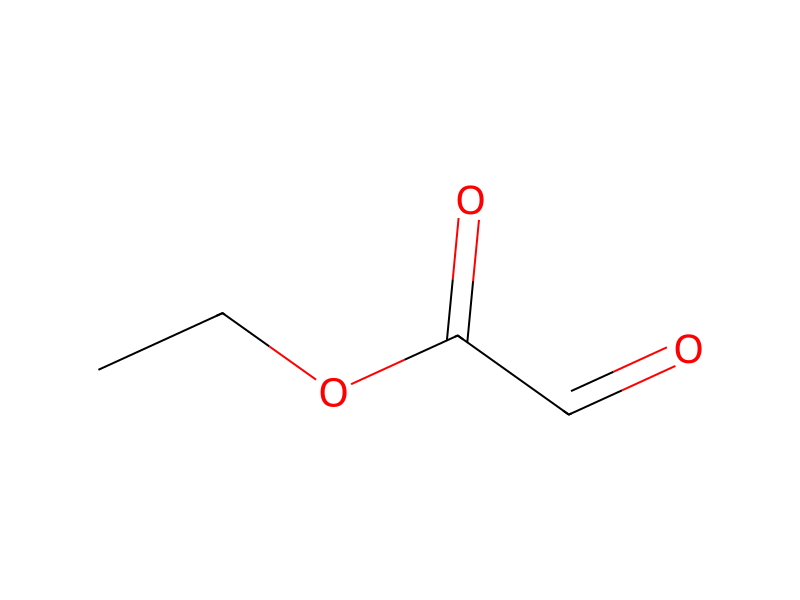
HCID 313Hydrochloric AcidHCID 1140TolueneHCID 70211Ethyl oxoacetateHCID 67994859N-(3-(2-Amino-1-(6-morpholino-1H-indol-3-yl)ethyl)-2-fluorophenyl)-4-(dimethylamino)benzamide

Product 1

HCID 67994786Ethyl 4-(3-(4-(dimethylamino)benzamido)-2-fluorophenyl)-7-morpholino-9H-pyrido[3,4-b]indole-1-carboxylate
Yield 37.1%

Reagents, catalysts & solvents 1

HCID 312751,4-DioxaneSolvent

Procedure

To a solution of N-(3-(2-amino-1-(6-morpholino-1H-indol-3-yl)ethyl)-2-fluorophenyl)-4-(dimethylamino)benzamide (0.321 g, 0.640 mmol) and ethyl 2-oxoacetate in toluene (50%) (0.279 mL, 1.408 mmol) in 1,4-dioxane (30 mL) at room temperature was added hydrogen chloride (4 N in 1,4-dioxane) (0.480 mL, 1.92 mmol). The mixture turned to heterogeneous and it was stirred room temperature for 16 hr. The volatiles were removed under vacuum. The residue was diluted with water (30 mL), basified with NaHCO3 solution to pH 10, and extracted with ethyl acetate (4×40 mL). The combined extract was washed with brine (30 ml), dried over anhydrous MgSO4, and concentrated to dryness under vacuum. To the residue were added 1,4-dioxane (1 mL) and p-xylem (15 mL) and 10% Pd/C (0.4 g), and the mixture was heated at 140° C. under an ambient atmosphere for 4.5 hr. The solid phase was removed by suction filtration. The filtrate was diluted with ethyl acetate (120 ml), washed with brine (25 ml), and dried over anhydrous MgSO4. Removal of solvent under vacuum, followed by triturating with Et2O (8 mL), provided the desired product (0.144 g, 0.238 mmol, 37.1% yield) as a tan solid.

Workup

  1. customThe volatiles were removed under vacuum
  2. additionThe residue was diluted with water (30 mL)
  3. extractionextracted with ethyl acetate (4×40 mL)
  4. extractionThe combined extract
  5. washwas washed with brine (30 ml)
  6. dry with materialdried over anhydrous MgSO4
  7. concentrationconcentrated to dryness under vacuum
  8. additionTo the residue were added 1,4-dioxane (1 mL) and p-xylem (15 mL) and 10% Pd/C (0.4 g)
  9. temperaturethe mixture was heated at 140° C. under an ambient atmosphere for 4.5 hr
  10. customThe solid phase was removed by suction filtration
  11. additionThe filtrate was diluted with ethyl acetate (120 ml)
  12. washwashed with brine (25 ml)
  13. dry with materialdried over anhydrous MgSO4
  14. customRemoval of solvent under vacuum
  15. customby triturating with Et2O (8 mL)

Sources & evidence

ORD record
ord-ecfbb057627d45a6bc95485510e856de
Source dataset
uspto-grants-2014_04
DOI
10.6084/m9.figshare.5104873.v1
Patent number
US08685969B2

Reaction notes

On this pageParticipantsProcedureWorkupSources & evidenceReaction notes