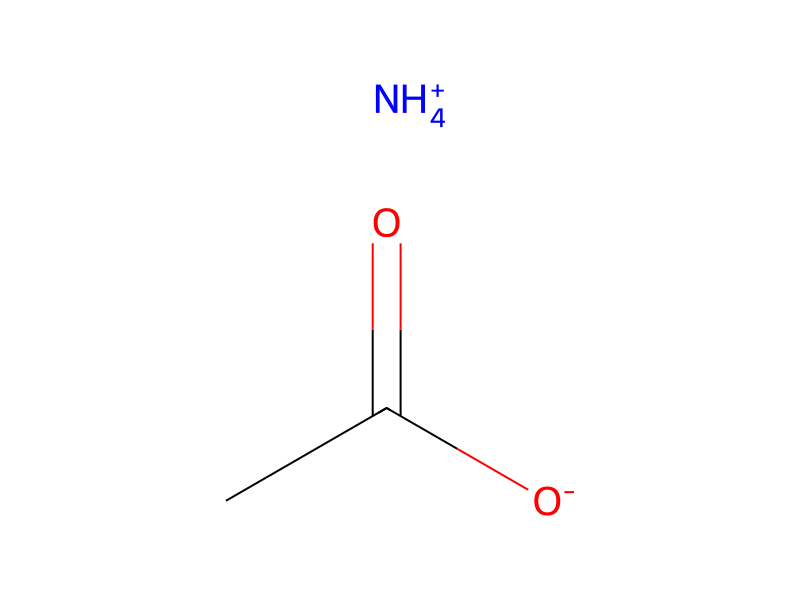
[CH2:1]([O:3][CH2:4][C:5]1[N:6]([CH2:18][CH2:19][CH2:20][C:21]([O:23]CC)=O)[C:7]2[C:16]3[CH:15]=[CH:14][CH:13]=[CH:12][C:11]=3[N:10]=[CH:9][C:8]=2[N:17]=1)[CH3:2].C([O-])(=O)C.[NH4+:30].C(=O)(O)[O-].[Na+]>O>[CH2:1]([O:3][CH2:4][C:5]1[N:6]([CH2:18][CH2:19][CH2:20][C:21]([NH2:30])=[O:23])[C:7]2[C:16]3[CH:15]=[CH:14][CH:13]=[CH:12][C:11]=3[N:10]=[CH:9][C:8]=2[N:17]=1)[CH3:2]Ethyl 4-[2-(ethoxymethyl)-1H-imidazo[4,5-c]quinolin-1-yl]butanoate (15.9 g, 46.6 mmol, prepared as described in Parts A through C of Example 5) and ammonium acetate (35.0 g, 455 mmol) were sealed and heated in a high-pressure vessel at 130° C. for two days. An analysis by LC/NS indicated the presence of starting material, and additional ammonium acetate (15 g, 190 mmol) was added. The reaction was heated to 130° C. for several hours, allowed to cool to ambient temperature, stirred for three days, and poured into water (200 mL). Solid sodium bicarbonate was added until the solution was basic. The solution was extracted with dichloromethane (3×100 mL, 5×75 mL, and then in a continuous extractor for about 20 hours). The extracts were dried over potassium carbonate, filtered, and concentrated under reduced pressure to provide 10.3 g of 4-[2-(ethoxymethyl)-1H-imidazo[4,5-c]quinolin-1-yl]butanamide as a light yellow solid.