Reaction equation

[CH2:1]([C:3]([CH2:7][OH:8])([CH2:5][OH:6])[CH3:4])[OH:2].C[C:10]([N:14]([CH3:16])[CH3:15])([CH2:12][OH:13])C.[C:17]([OH:22])(CC)(C)C.CC(=O)C[C:26](=[O:28])C.CC(=O)CC(C)(O)C>[Sn].O.CC(CC)=O.CN1CCCC1=O>[CH2:1]([C:3]([CH2:7][OH:8])([CH2:5][OH:6])[CH3:4])[OH:2].[N:14]([CH2:16][CH2:17][OH:22])([CH2:15][CH2:26][OH:28])[CH2:10][CH2:12][OH:13]Participants
Reactant 5
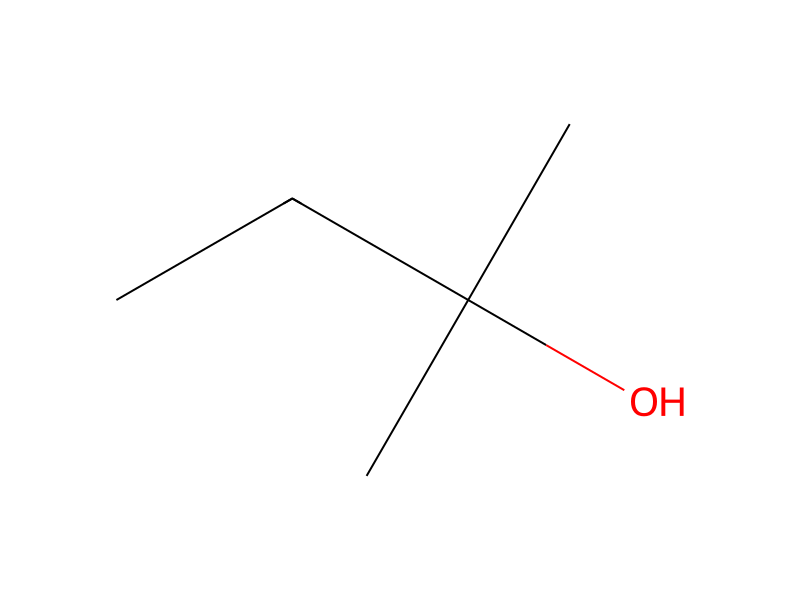


Product 2

Reagents, catalysts & solvents 4




Conditions
- Temperature
- 60 °C
Procedure
22.4 g DP9C/012, 3.9 g Poly G 83-34, 1.0 g Pluronic L-62, 0.4 g trimethylolethane, 2.0 g Cirrasol G-265, 1.0 g DMAMP DBS, and 0.11 g tin catalyst are added to 2.6 g N-methyl pyrrolidone plus 4.7 g methylethylketone, 2.8 g tertiary amyl alcohol, 0.6 g 2,4-pentanedione and 4.0 g diacetone alcohol and are mixed together. The mixture is heated to 60° C. and then reacted for 6 hours in a nitrogen atmosphere. Following the reaction, the resulting polyurethane prepolymer mixture is cooled and then dispersed in 59.0 g of distilled water, 0.1 g trimethylolethane, and 0.2 g triethanolamine with a high shear disperser, resulting in a stable aqueous polyurethane dispersion having about 24% solids by weight of the dispersion. The resulting polyurethane comprises about 3% polyethylene oxide side chains by weight of the solids of the polyurethane, about 12% polyethylene oxide main chains by weight of the solids of the polyurethane, and about 48% blocked polyisocyanates by weight of the solids of the polyurethane.
Workup
- additionare mixed together
- customreacted for 6 hours in a nitrogen atmosphere
- customthe reaction
Sources & evidence
- ORD record
- ord-265729087b3b4af0b137e6e51302343a
- Source dataset
- uspto-grants-2014_02
- Patent number
- US08642180B2
Linked notes
Loading…