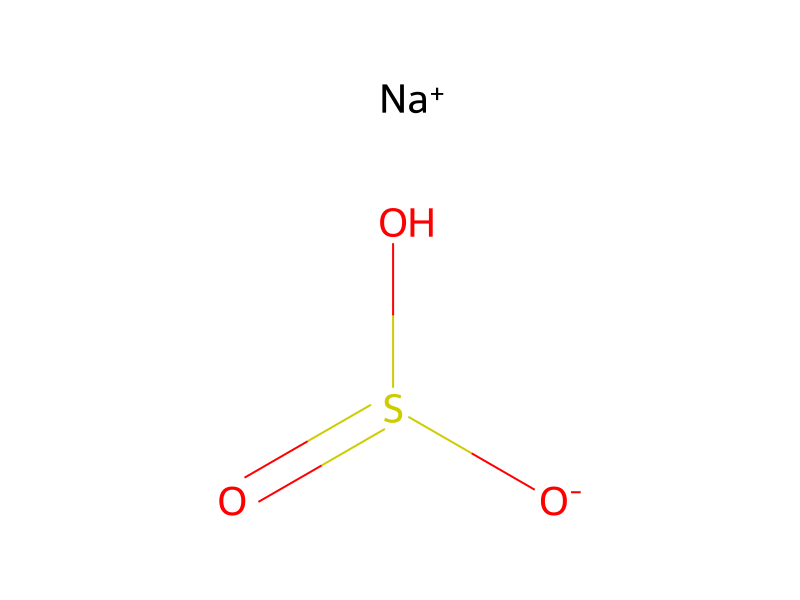
[NH2:1][C:2]1[C:3]([CH:8]=O)=[N:4][CH:5]=[CH:6][N:7]=1.[CH2:10]([NH:12][C:13]1[CH:18]=[CH:17][N:16]=[CH:15][C:14]=1[NH2:19])[CH3:11].S([O-])(O)=O.[Na+]>CC(N(C)C)=O>[CH2:10]([N:12]1[C:13]2[CH:18]=[CH:17][N:16]=[CH:15][C:14]=2[N:19]=[C:8]1[C:3]1[C:2]([NH2:1])=[N:7][CH:6]=[CH:5][N:4]=1)[CH3:11]3-aminopyrazine-2-carbaldehyde (made in example 1(c)) (0.30 g, 2.4 mmol), N4-ethylpyridine-3,4-diamine (made in example 1(b)) (0.36 g, 2.6 mmol), and sodium hydrogensulfite (0.30 g) were combined in 3 mL of dimethylacetamide and heated to 200° C. in a SmithSynthesizer microwave for 10 minutes. The reaction mixture was partitioned between ethyl acetate and water. The reaction was extracted with ethyl acetate (×3), and the combined organic layers were washed with water and saturated aqueous sodium chloride solution, and dried over magnesium sulfate. After filtration, the organics were concentrated in vacuo. Trituration with diethyl ether affords the title compound as tan solids (0.46 g, 80%).