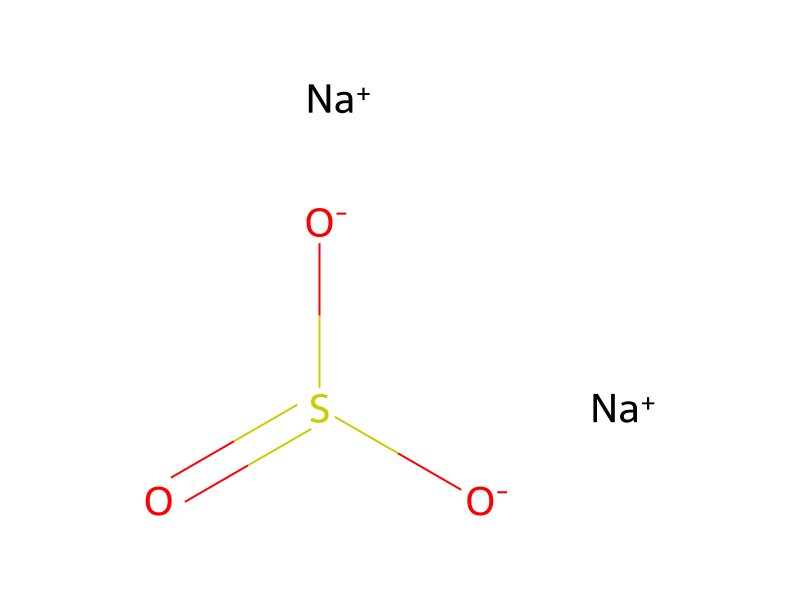
[CH3:1][O:2][CH2:3][CH2:4][O:5][C:6]1[C:11]([N+:12]([O-:14])=[O:13])=[C:10]([S:15][CH3:16])[CH:9]=[C:8]([CH3:17])[N:7]=1.ClC1C=CC=C(C(OO)=[O:26])C=1.S([O-])([O-])=O.[Na+].[Na+]>ClCCl>[CH3:1][O:2][CH2:3][CH2:4][O:5][C:6]1[C:11]([N+:12]([O-:14])=[O:13])=[C:10]([S:15]([CH3:16])=[O:26])[CH:9]=[C:8]([CH3:17])[N:7]=12-[(2-methoxyethyl)oxy]-6-methyl-4-methylthio-3-nitropyridine (2.00 g, 7.74 mmol) was dissolved in dichloromethane (25 mL). m-Chloroperbenzoic acid (60%, 5.0 g, 17.38 mmol) was added to the solution, followed by stirring at room temperature for 12 hours. Saturated aqueous sodium sulfite was added to the reaction mixture, followed by stirring for 1.5 hours so that excessive m-chloroperbenzoic acid was deactivated. The organic layer was washed with saturated brine, followed by drying over sodium sulfate anhydrate and concentration under reduced pressure. The obtained residue was recrystallized from ether, to thereby yield 2-[(2-methoxyethyl)oxy]-6-methyl-4-methylsulfinyl-3-nitropyridine as colorless crystals (1.93 g, 91%).