Diisopropylamine → Ethyl 2-formyl-3-methylbutanoate
Reaction equation

C(N[CH:5]([CH3:7])[CH3:6])(C)C.[CH2:8]([Li])[CH2:9][CH2:10]C.[CH2:13]([O:15][C:16](=[O:21])[CH2:17][CH:18]([CH3:20])[CH3:19])C.[CH:22]([O:24][CH2:25][CH3:26])=[O:23]>C1COCC1>[C:16]([O:15][CH3:13])(=[O:21])[CH3:17].[CH3:8][CH2:9][CH2:10][CH2:7][CH2:5][CH3:6].[CH2:25]([O:24][C:22](=[O:23])[CH:17]([CH:16]=[O:15])[CH:18]([CH3:20])[CH3:19])[CH3:26]Participants


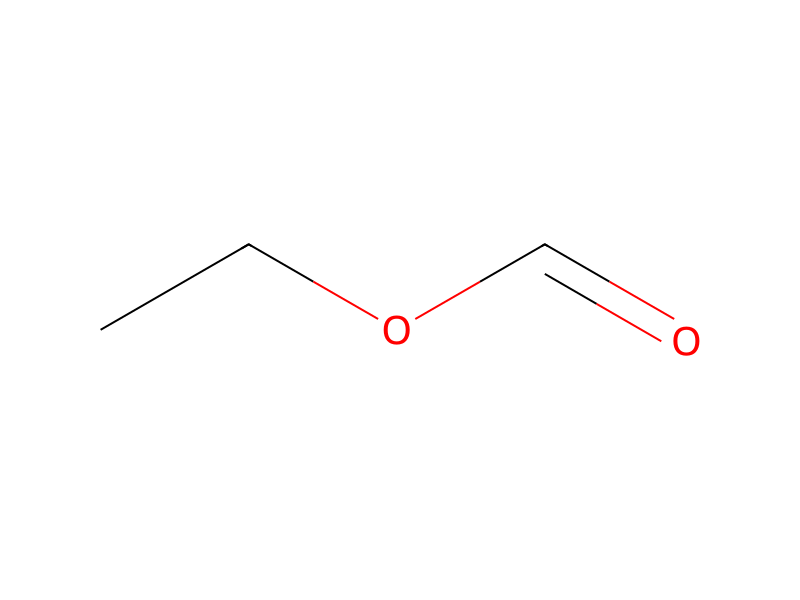




Conditions
- Temperature
- -78 °C
Procedure
A solution of diisopropylamine (2.53 g, 25 mmol) in THF (25 mL) was treated with n-butyllithium (1.6M in hexane, 16 mL, 25.6 mmol) at room temperature under N2. The resulting pale yellow solution was cooled to −78° C. A solution of 3-methyl-butyric acid ethyl ester (2.91 g, 22.31 mmol) in THF (7 mL) was added. Stirring was continued for a half hour at −78° C., after which ethyl formate (5.5 g, 75 mmol) was added. The reaction mixture was allowed to warm to room temperature and stirred for three hours under N2. The reaction mixture was quenched with acetic acid (4.5 ml), diluted with diethyl ether, washed with water, brine, and dried (Na2SO4). Silica gel chromatography (methyl acetate/hexane) provided 3.2 g of the title compound as a mixture of isomers.
Workup
- waitwas continued for a half hour at −78° C.
- temperatureto warm to room temperature
- stirringstirred for three hours under N2
- customThe reaction mixture was quenched with acetic acid (4.5 ml)
- additiondiluted with diethyl ether
- washwashed with water, brine
- dry with materialdried (Na2SO4)
Sources & evidence
- ORD record
- ord-ad28a19fffd64e2e8c1176bdfc6d3bbf
- Source dataset
- uspto-grants-2014_02
- Patent number
- US08642603B2
Reaction notes
Loading…