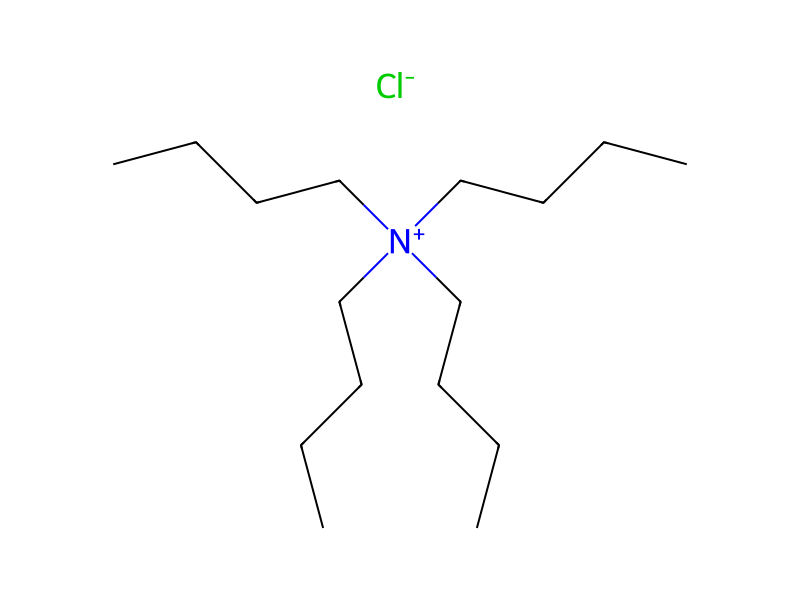
3-Bromo-2-nitropyridine (1.015 g, 5.0 mmol), tetrabutylammonium chloride (1.390 g, 5.00 mmol), and bis(triphenylphosphine)palladium(II) chloride (0.351 g, 0.500 mmol) were combined. Mixture was suspended in acetonitrile (10 ml). The mixture was stirred at room temperature for 30 minutes while it was degassed by a flow of nitrogen. Tributyl(vinyl)tin (1.754 ml, 6.00 mmol) was added and the mixture was further degassed for 5 minutes. The vial was capped and heated at 90° C. for 4 hours. Solvents were removed from the mixture. The residue was dissolved with dichloromethane. Material was washed with brine and the aqueous phase was discarded. Organic layer was dried over Na2SO4, and filtered. Solvents were removed by roto-vap. Silica gel chromatography afforded the title compound as tan solid in 68% yield. 1H NMR (500 MHz, CHLOROFORM-D) δ ppm 8.39 (dd, J=4.58, 1.53 Hz, 1 H) 8.06 (dd, J=7.94, 1.53 Hz, 1 H) 7.55 (dd, J=7.93, 4.58 Hz, 1 H) 6.90 (dd, J=17.24, 11.14 Hz, 1 H) 5.82 (d, J=17.40 Hz, 1 H) 5.55 (d, J=10.99 Hz, 1 H).