Reaction equation

ON1[C:6](=O)[C:5]2=[CH:8][CH:9]=[CH:10][CH:11]=[C:4]2[C:3]1=[O:12].C(OOC(C)(C)C)(C)(C)C.[CH2:23]1[CH2:30][CH2:29][CH2:28][CH2:27][CH2:26][CH2:25][CH2:24]1>>[CH:3]1([OH:12])[CH2:4][CH2:11][CH2:10][CH2:9][CH2:8][CH2:5][CH2:6]1.[C:3]1(=[O:12])[CH2:4][CH2:11][CH2:10][CH2:9][CH2:8][CH2:5][CH2:6]1.[CH2:23]1[CH2:30][CH2:29][CH2:28][CH2:27][CH2:26][CH2:25][CH2:24]1Participants
6


Procedure
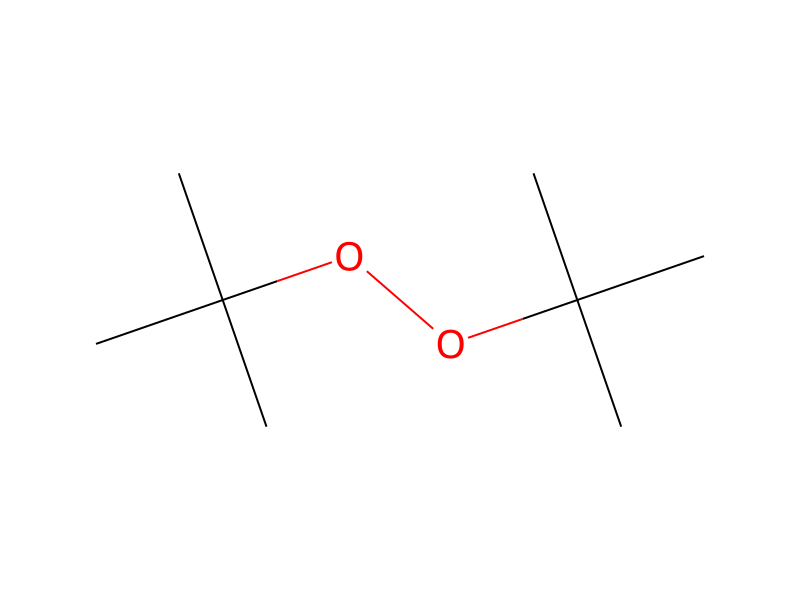
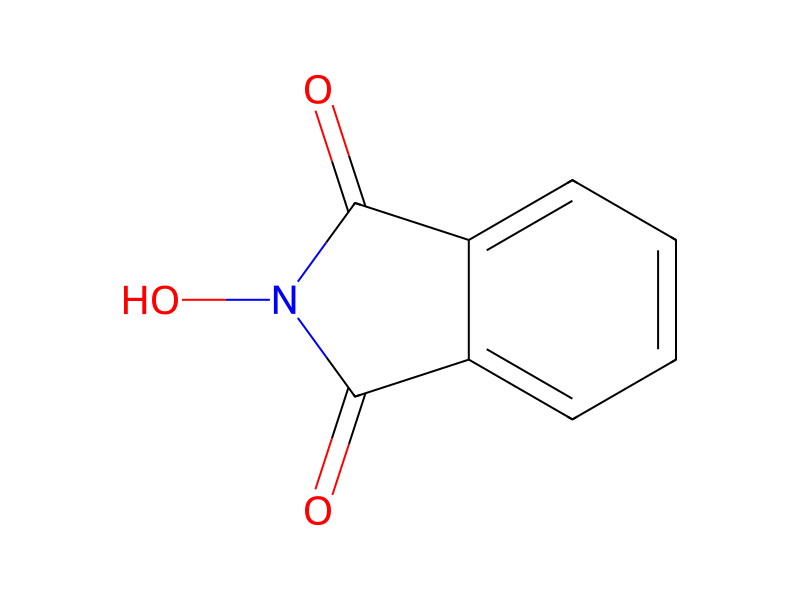
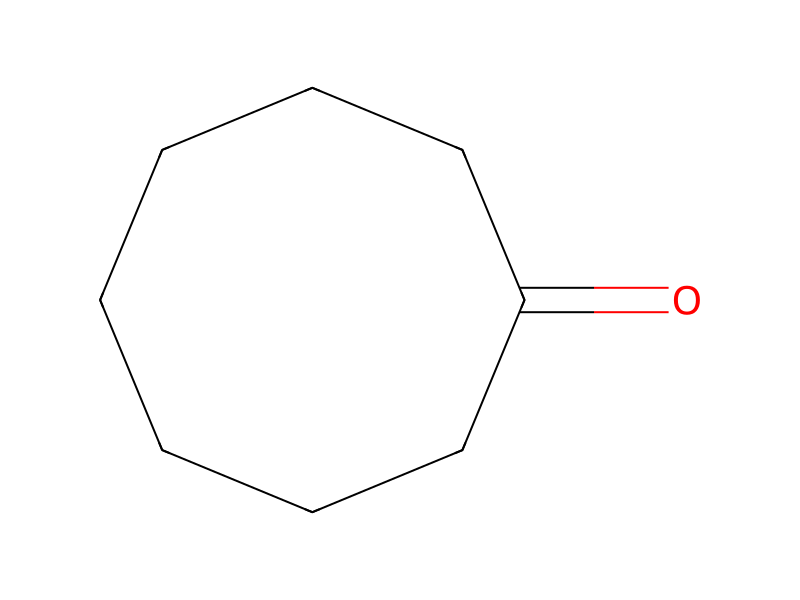
2 mmol of N-hydroxyphthalimide and 4 mmol of di-tert-butyl peroxide are added at a temperature of 130° C. to 200 mmol of cyclooctane in a round-bottomed flask having an attached reflux condenser. Air at approximately 15 l/h is passed through the reaction mixture for 8 hours at said temperature. Cyclooctanol is obtained at a selectivity of 15% and cyclooctanone at a selectivity of 43%, at a cyclooctane conversion rate of 51%.
Workup
- temperaturean attached reflux condenser
Sources & evidence
- ORD record
- ord-0e763f365a82438db6bb844e525df0ba
- Source dataset
- uspto-grants-2005_02
- Patent number
- US06852893B2
Linked notes
Loading…