HomeMCPWorkbenchSkills
HomeWorkbenchNotificationsMe
llms.txt · MCP GuidePrivacy Policy · Terms of Service · Supportv1.8.3
  1. Home
  2. /Reaction

Methylamine → Tetrahydro-N-methyl-2H-pyran-4-methanamine

HRID 238559
Print

Reaction equation

HRID 238559 reaction equation
[O:1]1[CH2:6][CH2:5][CH:4]([C:7](OC)=O)[CH2:3][CH2:2]1.[CH3:11][NH2:12].Cl.CN.[OH-].[Na+]>C1COCC1>[CH3:11][NH:12][CH2:7][CH:4]1[CH2:5][CH2:6][O:1][CH2:2][CH2:3]1
ParticipantsConditionsProcedureWorkupSources & evidenceReaction notes

Participants

6

Reactant 4

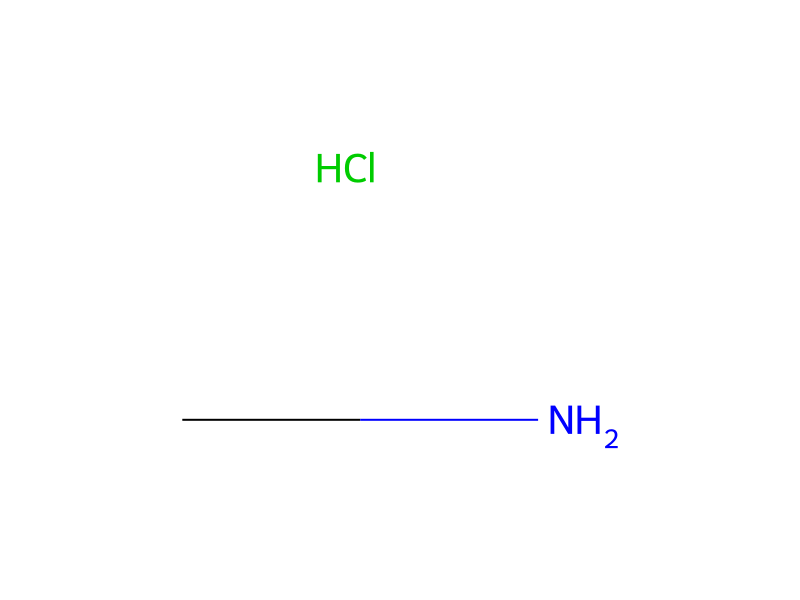
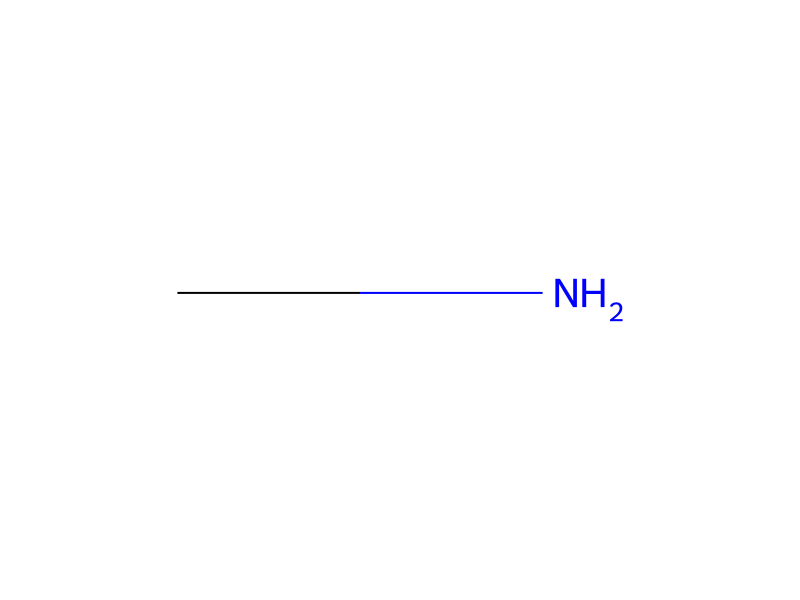
HCID 6329MethylamineHCID 14798Sodium HydroxideHCID 27735202H-Pyran-4-carboxylic acid, tetrahydro-, methyl esterHCID 6364545Methylamine hydrochloride

Product 1

HCID 22225668Tetrahydro-N-methyl-2H-pyran-4-methanamine

Reagents, catalysts & solvents 1

HCID 8028
Tetrahydrofuran
Solvent

Conditions

Temperature
110 °C

Procedure

Methyl tetrahydro-2H-pyran-4-carboxylate (5 ml, 40.0 mmol) was added to a solution of methylamine (generated by heating a mixture of methylamine hydrochloride and sodium hydroxide pellets) in THF (30 ml) and the mixture heated at 110° C. in a bomb reactor overnight. The solvents were evaporated, the residue dissolved in THF (100 ml), and LiAH4 (4.6 g, 121 mmol) added, and the mixture heated at 70° C. for 1 h. The mixture was cooled to 0° C., concentrated NaOH solution added and the THF evaporated. Chloroform (100 ml) was added to the residue and the resulting solid was filtered off and the filtrate concentrated under vacuum to give N-methyl-N-tetrahydro-2H-pyran-4-ylmethylamine as a pale brown oil. The preceding amine (Ig, 7.8 mmol) was dissolved in dichloromethane (50 ml), and triethylamine (4 ml) and [2,1,3]-benzoxadiazole-5-carbonylchloride (1.7 g, 9.3 mmol), as a solution in dichloromethane (20 ml), were added, slowly. The mixture was stirred at room temperature for 1 h, the mixture washed with 1N HCl (20 ml), and saturated sodium bicarbonate solution (20 ml), dried (MgSO4) and evaporated. The residue was purified by silica gel chromatography eluting with ethyl acetate/chloroform (3:1) to give the title compound as a pale brown oil. 1H NMR (300 MHz, CDCl3, 2-rotamers) δ 7.93 (d, J=9.3 Hz, 1H), 7.83 (br s, 1H), 7.38-7.45 (m, 1H), 4.10-3.90 (m, 2H), 3.52-3.20 (m, 4H), 3.13 and 3.05 (both s, total 3H), 2.18-1.80 (m, 1H), 1.73-1.40 ppm (m, 4H).

Workup

  1. temperatureby heating
  2. customThe solvents were evaporated
  3. dissolutionthe residue dissolved in THF (100 ml)
  4. additionLiAH4 (4.6 g, 121 mmol) added
  5. temperaturethe mixture heated at 70° C. for 1 h
  6. temperatureThe mixture was cooled to 0° C.
  7. additionconcentrated NaOH solution added
  8. customthe THF evaporated
  9. additionChloroform (100 ml) was added to the residue
  10. filtrationthe resulting solid was filtered off
  11. concentrationthe filtrate concentrated under vacuum

Sources & evidence

ORD record
ord-2e4a735d10c4495bab6f37096e84b7c7
Source dataset
uspto-grants-2014_02
DOI
10.6084/m9.figshare.5104873.v1
Patent number
US08642633B2

Reaction notes

On this pageParticipantsConditionsProcedureWorkupSources & evidenceReaction notes