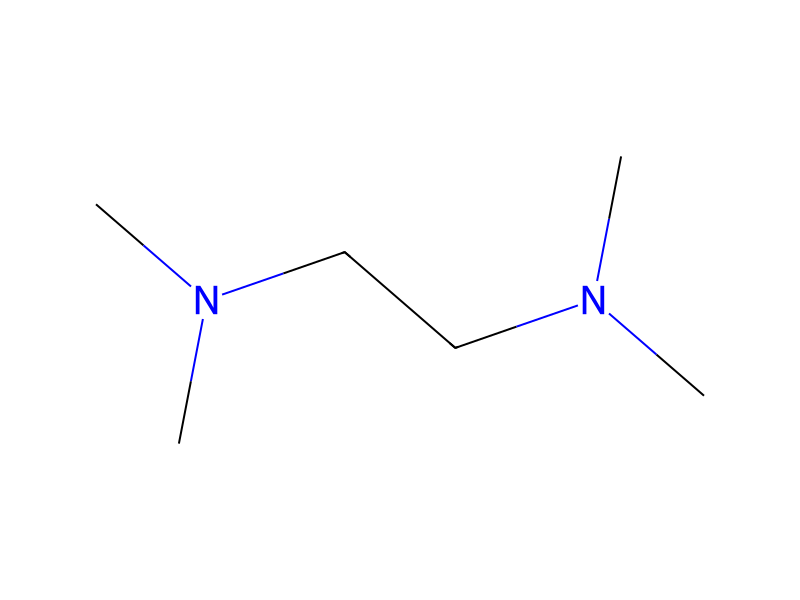
2-(3-chloro-4-(methylthio)phenyl)acetic acid is then alkylated in alpha-position analogous to Vazquez et al. (Eur. J. Med. Chem. Chim. Ther. (1997), 32, 6, 529-53). A solution of the acid (1.05 mmol) in dry THF (3 mL) is cooled to −78° C. under an argon atmosphere and stirred. Within 15 min, a solution of LDA in hexane (2 M, 1.6 mL, 3.2 mmol) and TMEDA (0.3 mL, 1.9 mmol) is added dropwise and the resulting mixture is slowly stirred for 3 h at −78° C. Methyl iodide (0.17 mL, 2.7 mmol) is added slowly under stirring and the mixture is stirred for another 16 h at room temperature. The reaction mixture is then neutralized applying a saturated aqueous solution of NH4Cl (10 mL). The organic layer is separated and the aqueous alkaline one is acidified with HCl (5 N) and then extracted with diethyl ether (3×20 mL). The combined organic layers are dried over Na2SO4 and then concentrated in vacuo. Purification of the crude product by column chromatography (hexane/ethyl acetate 4:1) yields the desired 2-(3-chloro-4-(methylthio)phenyl)propanoic acid (d).