Reaction equation

[CH2:1]1[O:3][CH2:2]1.[CH2:4]([OH:22])[CH2:5][CH2:6][CH2:7][CH2:8][CH2:9][CH2:10][CH2:11]/[CH:12]=[CH:13]\[CH2:14][CH2:15][CH2:16][CH2:17][CH2:18][CH2:19][CH2:20][CH3:21].C(N(CC)CC)C>O1CCOCC1>[CH3:21][CH2:20][CH2:19][CH2:18][CH2:17][CH2:16][CH2:15][CH2:14]/[CH:13]=[CH:12]\[CH2:11][CH2:10][CH2:9][CH2:8][CH2:7][CH2:6][CH2:5][CH2:4][O:22][CH2:1][CH2:2][OH:3]Participants
Reactant 3
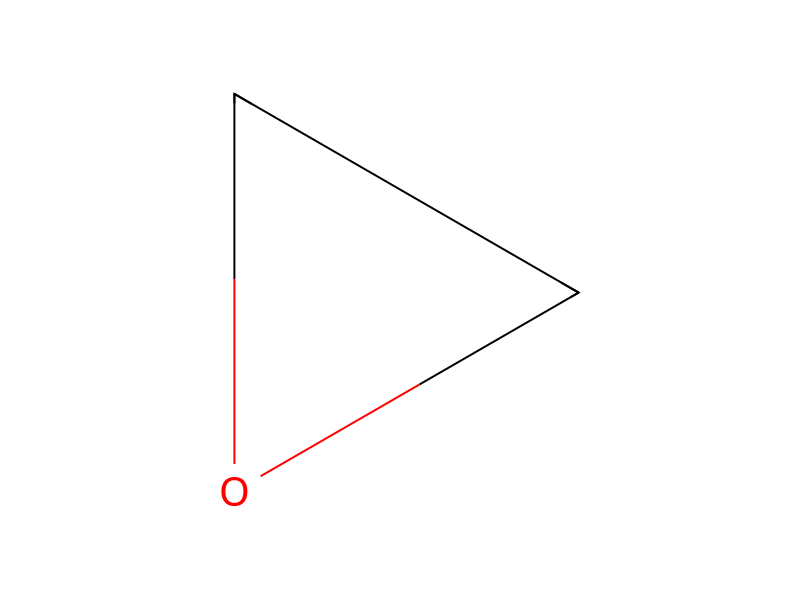

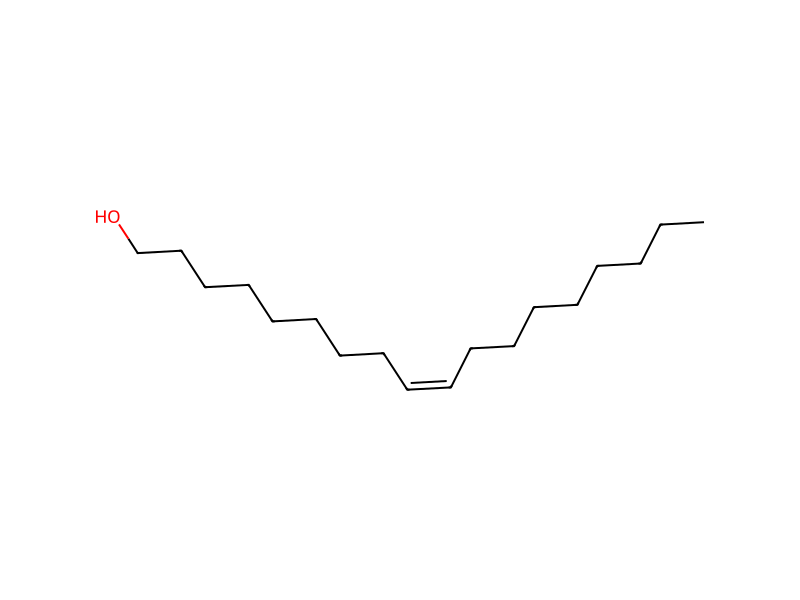
Product 1

Reagents, catalysts & solvents 1

Procedure
In 50 ml of dioxane, 20.00 g of polyethylene glycol monooleyl ether (average molecular weight 4,268) obtained by addition of ethylene oxide to an oleyl alcohol in the presence of an alkali catalyst and 1.90 g of triethyl amine were dissolved. The resultant solution and a solution of 1.85 g of p-toluenesulfonyl chloride in 10 ml of dioxane slowly added dropwise thereto were left reacting at 60° C. for two hours. The reaction product was refined by being dissolved with 200 ml of acetone added thereto, then cooled to 0° C., and left standing to allow sedimentation of the product aimed at. Then, a solution of 6.50 g of the product mentioned above in 30 ml of DMF and 0.55 g of potassium phthalimide added thereto were left reacting at 90° C. for two hours. The reaction product was refined by being dissolved with 60 ml of acetone added thereto, then cooled to 0° C., and left standing to allow sedimentation of the product aimed at. Subsequently, a solution of 6.00 g of the product mentioned above in 30 ml of ethanol and 1.00 g of hydrazinc hydrate added thereto were left reacting as refluxed for two hours. The reaction product was refined by being dissolved with 60 ml of acetone added thereto, then cooled to 0° C., and left standing to allow sedimentation of the product aimed at. Consequently, 5.20 g of an oleyl alcohol macromer possessed of amino groups at the terminals thereof was obtained.
Sources & evidence
- ORD record
- ord-233b1cd5d651433e9f51fda2ef6d0953
- Source dataset
- uspto-grants-1996_02
- Patent number
- US05489303
Linked notes
Loading…