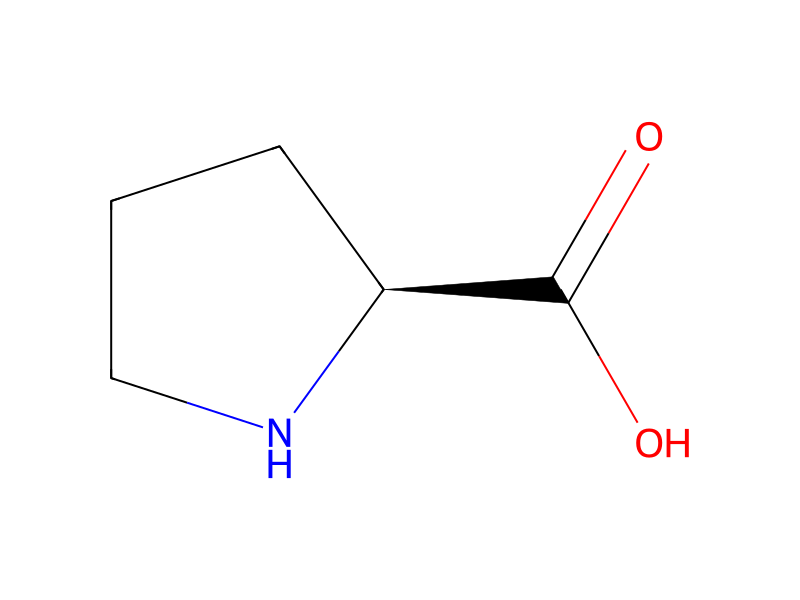
Br[C:2]1[C:3]([NH:10][C:11](=O)[C:12]([F:15])([F:14])[F:13])=[N:4][CH:5]=[C:6]([C:8]#[N:9])[CH:7]=1.[C:17]([O:23][C:24]([CH3:27])([CH3:26])[CH3:25])(=[O:22])[CH2:18]C(C)=O.N1CCC[C@H]1C(O)=O.C(=O)([O-])[O-].[Cs+].[Cs+]>CS(C)=O.C(OCC)(=O)C.[Cu]I>[C:8]([C:6]1[CH:7]=[C:2]2[C:18]([C:17]([O:23][C:24]([CH3:27])([CH3:26])[CH3:25])=[O:22])=[C:11]([C:12]([F:15])([F:14])[F:13])[NH:10][C:3]2=[N:4][CH:5]=1)#[N:9]N-(3-Bromo-5-cyano-2-pyridinyl)-2,2,2-trifluoroacetamide (Intermediate 1, 9.53 g, 32.4 mmol), tert-butyl acetoacetate (10.59 mL, 64.8 mmol), copper(I) iodide (0.617 g, 3.24 mmol), L-proline (0.746 g, 6.48 mmol) and cesium carbonate (42.2 g, 130 mmol) were added together in DMSO (65 mL) and the resulting mixture was heated at 80° C. for 18 hours. The reaction mixture was allowed to cool to room temperature, diluted with ethyl acetate and washed with water and saturated ammonium chloride solution. The organic layer was separated, dried under magnesium sulfate and evaporated under reduced pressure. The residue was purified by column chromatography (Biotage SP4) eluting with a gradient of 0-30% ethyl acetate and iso-hexane. Product containing fractions were combined and evaporated under reduced pressure to give the title compound as a brown solid (2.77 g);