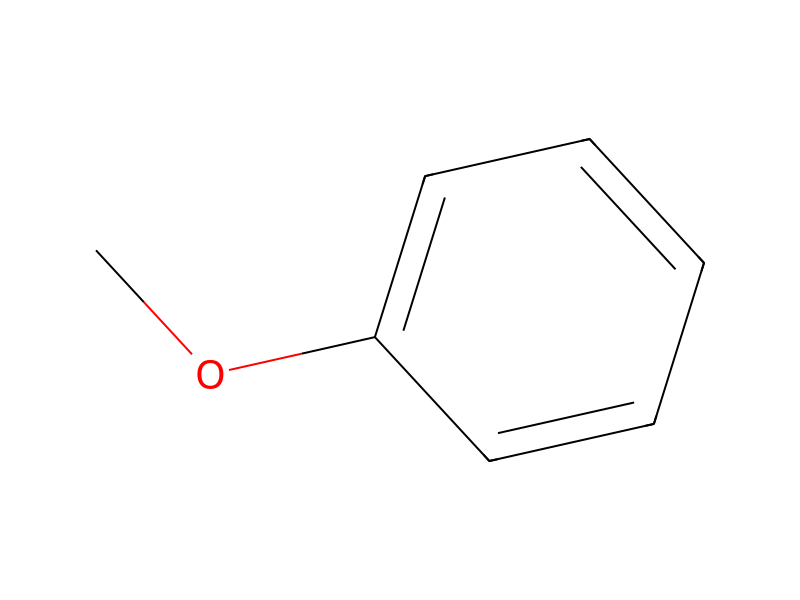
[CH2:1]([O:3][C:4]([C:6]1[C:7]([Cl:24])=[C:8]2[CH:14]=[CH:13][N:12](CC3C=CC(OC)=CC=3)[C:9]2=[N:10][CH:11]=1)=[O:5])[CH3:2]>C(O)(C(F)(F)F)=O.OS(O)(=O)=O.C1(OC)C=CC=CC=1>[CH2:1]([O:3][C:4]([C:6]1[C:7]([Cl:24])=[C:8]2[CH:14]=[CH:13][NH:12][C:9]2=[N:10][CH:11]=1)=[O:5])[CH3:2]To a solution of 4-chloro-1-(4-methoxybenzyl)-1H-pyrrolo[2,3-b]pyridine-5-carboxylic acid ethyl ester (prepared as described in J. Heterocycl. Chem. 1972, 235 and Bioorg. Med. Chem. Lett. 2003, 2405) (3.48 g, 10 mmol) in TFA (20 mL), conc. H2SO4 (1.5 mL) and anisole (3 mL) were added at room temperature. The resulting solution was stirred at this temperature for 3 hours and then basified slowly by addition of ice-cold aqueous NaHCO3. The aqueous solution was extracted with ethyl acetate and the combined organic layers were dried (Na2SO4) and concentrated. The residue was filtered and washed with n-hexanes to give a yellow solid (1.04 g, 46%). LC-MS (LCT2) m/z 226 [M+H+], Rt 6.22 min.