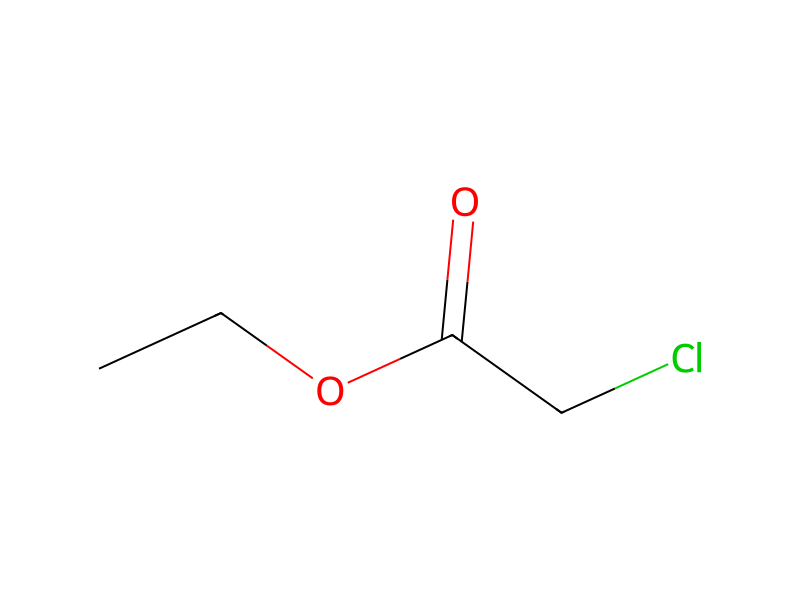
1-(2-Trifluoroacetamidoethyl)piperazine (56 g, 0.25 mol), 37.5 ml of triethylamine, and 30.3 g (0.27 mol) of ethyl chloroacetate were combined in 200 ml of DMF. The temperature rose to 70° C. in 5 minutes. The reaction was allowed to stir overnight at room temperature, then filtered to remove triethylammonium hydrochloride. The solvent was removed, leaving an oily residue which was taken up in 250 ml of CHCl3 and washed with two 300 ml portions of H2O. The organic phase was separated, dried and evaporated to give 51 g of ethyl 4-(2-trifluoroacetamidoethyl)piperazine-1-acetate as a tan solid. This was not characterized. It was hydrolyzed by stirring for 6 hours in a solution of 20 g of KOH in 250 ml of 4:1 MeOH:H2O. The product was purified by chromatography on 1400 g of silica gel, eluting with 4:4:1 (v/v/v) CHCl3 :MeOH:conc. NH4OH. Recrystallization from MeOH gave 22.5 g of 4-(2-aminoethyl)piperazine-1-acetic acid as white crystals, m.p. 225° C. (dec).