Hydroxyamine hydrochloride → 2-Oxo-1,2-dihydroquinoline-3-carbonitrile
HRID 2413147
Reaction equation

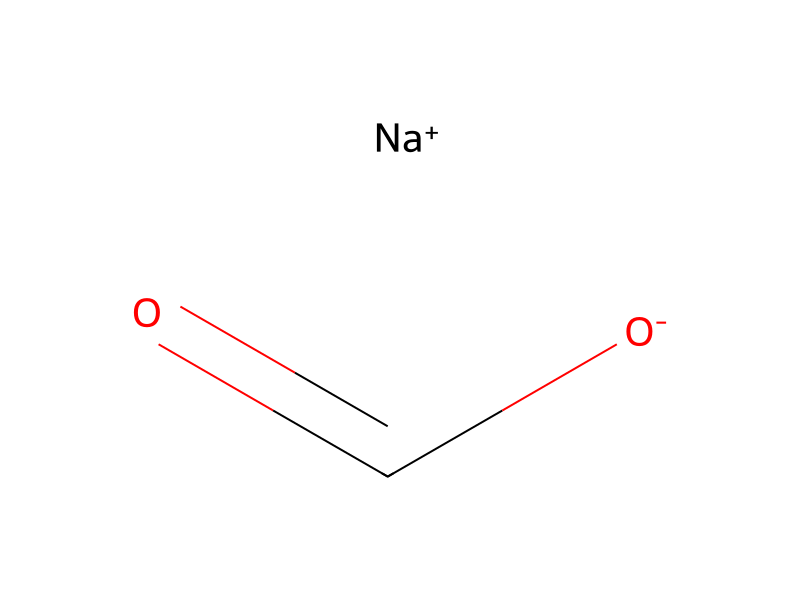
Cl[C:2]1[C:3](C=O)=[N:4][C:5]2[C:10]([CH:11]=1)=[CH:9][CH:8]=[CH:7][CH:6]=2.Cl.[NH2:15]O.[CH:17]([O-:19])=O.[Na+]>C(O)=O>[C:3]([C:2]1[C:17](=[O:19])[NH:4][C:5]2[C:10]([CH:11]=1)=[CH:9][CH:8]=[CH:7][CH:6]=2)#[N:15]Participants
5
Reactant 3


Product 1

Reagents, catalysts & solvents 1

Procedure
Where the starting material above is a 2-chloro-3-cyanoquinoline, this can be prepared by starting from an appropriate substituted acetanilide. This is heated with phosphoryl chloride and dimethylformamide to give the corresponding 2-chloro-3-quinolinecarboxaldehyde. The process involved is discussed in detail by meth-Cohn et al., J. Chem. Soc., Perkin Trans. 1, 1981, 1520. The chloroquinolinecarboxaldehyde is then reacted with hydroxylamine hydrochloride, formic acid and sodium formate with heating to give the corresponding 3-cyano-2(1H)-quinolinone. This is then heated with an excess of phosphoryl chloride to give the desired 2-chloro-3-cyanoquinoline.