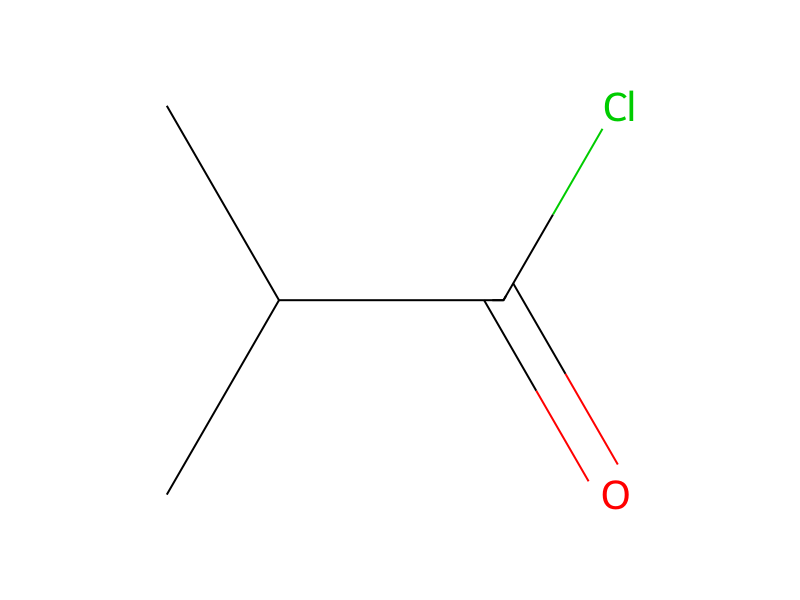
In a thermally controlled reactor stir a mixture of ethyl 5-(aminomethyl)-2-(difluoromethyl)pyridine-3-carboxylate hydrochloride (198 g, 742.4 mmol, 1.0 equiv), DCM (3040 mL), and DIPEA (520 mL, 2.98 mol, 4 equiv), then add a solution of isobutyryl chloride (95 mL, 903 mmol, 1.2 equiv) at such a rate so that the internal temperature is held between 18° C. and 22° C. Stir for 90 min. Extract the reaction mixture with NaHCO3 (sat., 1 L). Add water (1 L) and DCM (1 L), and filter the resulting suspension through diatomaceous earth. Combine all organic phases, and dry over MgSO4. Remove the solids by filtration, and concentrate the filtrate under reduced pressure. Purify the resulting material by slurrying with iso-hexane:Et2O [1:1, 1 L]. Collect the solids by filtration, wash with cold iso-hexanes (500 ml), and dry under vacuum at 50° C. to give the title compound as an off-white crystalline powder (164 g). MS (m/z) 301 (M+1).