Reaction equation

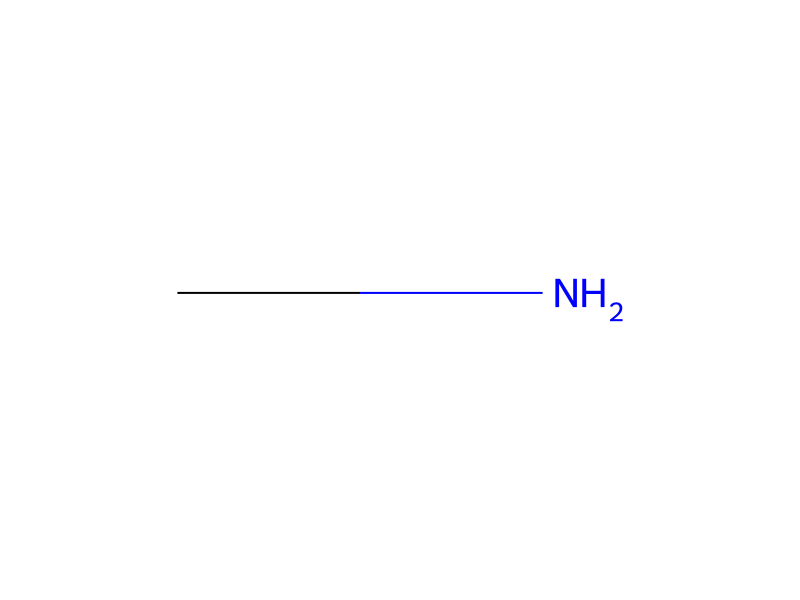
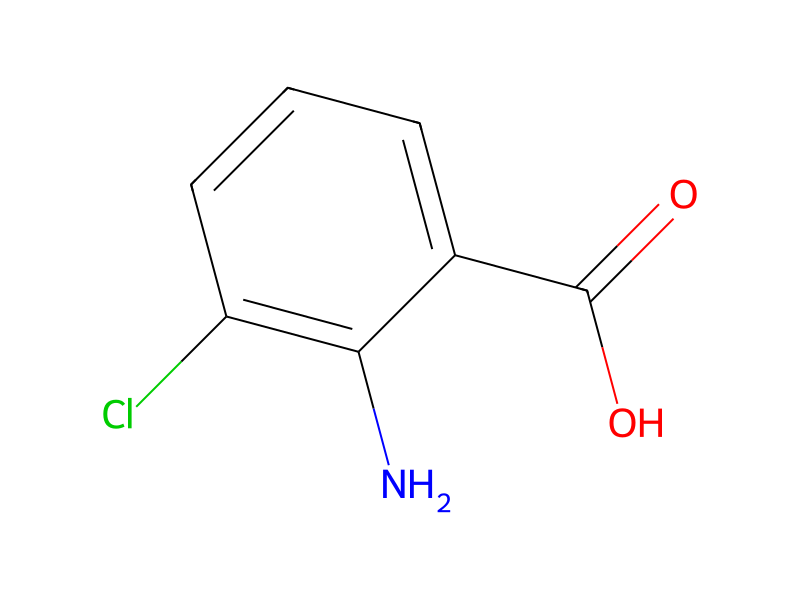
[NH2:1][C:2]1[C:10]([Cl:11])=[CH:9][CH:8]=[CH:7][C:3]=1[C:4]([OH:6])=O.[CH3:12][NH2:13].[CH:14]1([N:18]2[CH2:23][CH2:22][CH:21]([O:24][C:25]3[CH:32]=[CH:31][C:28]([CH:29]=O)=[CH:27][CH:26]=3)[CH2:20][CH2:19]2)[CH2:17][CH2:16][CH2:15]1>>[Cl:11][C:10]1[CH:9]=[CH:8][CH:7]=[C:3]2[C:2]=1[N:1]=[C:29]([C:28]1[CH:31]=[CH:32][C:25]([O:24][CH:21]3[CH2:22][CH2:23][N:18]([CH:14]4[CH2:17][CH2:16][CH2:15]4)[CH2:19][CH2:20]3)=[CH:26][CH:27]=1)[N:13]([CH3:12])[C:4]2=[O:6]Participants
4


Procedure
The entitled compound was obtained according to the method of Example 15 but starting from 2-amino-3-chlorobenzoic acid, methylamine and 4-[(1-cyclobutyl-4-piperidinyl)oxy]benzaldehyde.
Workup
- customThe entitled compound was obtained
Sources & evidence
- ORD record
- ord-272eec8d53bc46e8b0dbd0bcf10fbd54
- Source dataset
- uspto-grants-2011_06
- Patent number
- US07960394B2
Linked notes
Loading…