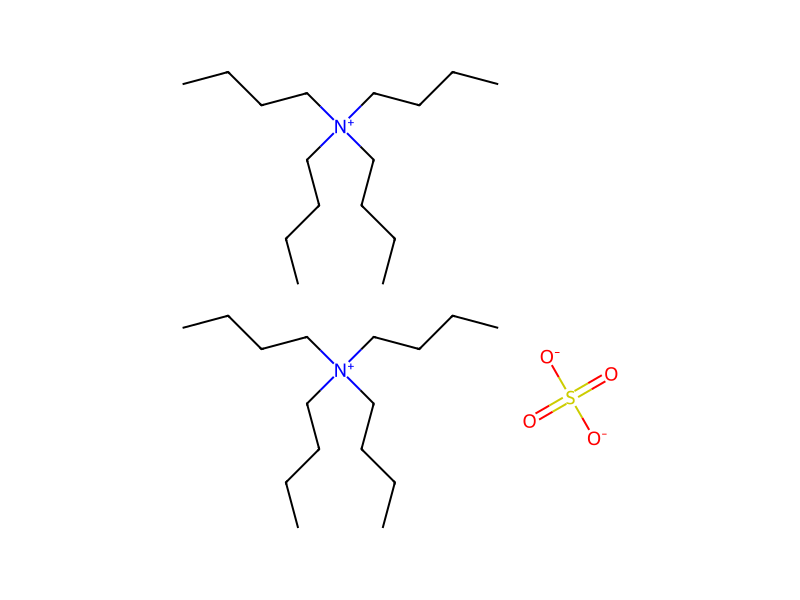
[Br:1][C:2]1[CH:9]=[CH:8][C:5]([CH2:6]Br)=[CH:4][CH:3]=1.Cl.[CH3:11][O:12][C:13](=[O:16])[CH2:14][NH2:15].C(=O)([O-])[O-].[K+].[K+]>C1COCC1.O.S([O-])([O-])(=O)=O.C([N+](CCCC)(CCCC)CCCC)CCC.C([N+](CCCC)(CCCC)CCCC)CCC>[CH3:11][O:12][C:13](=[O:16])[CH2:14][NH:15][CH2:6][C:5]1[CH:8]=[CH:9][C:2]([Br:1])=[CH:3][CH:4]=1i)—To a solution of p-bromobenzyl bromide (10 g, 40 mmol) in THF (100 ml) and water (7.2 ml) were added glycine methyl ester hydrochloride (10 g, 80 mmol), potassium carbonate (22.1 g, 160 mmol) and tetrabutylammonium sulfate (136 mg, 0.4 mmol). After 1 h stirring at 40° C., the reaction mixture was poured in water and the product was extracted into ethyl acetate. The combined organic phases were washed with brine, dried over magnesium sulfate and concentrated under reduced pressure. Column chromatography afforded (4-bromo-benzylamino)acetic acid methyl ester (6.4 g) as a colorless oil.