Reaction equation

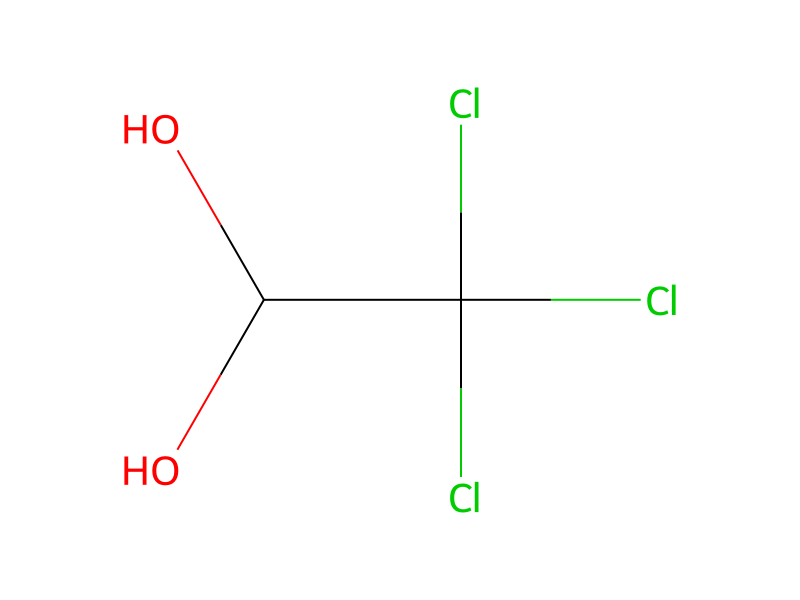
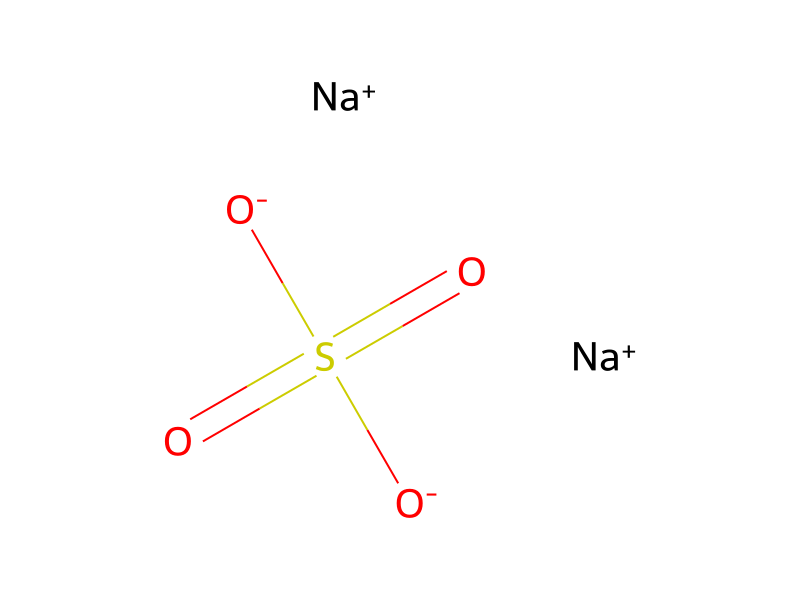
Cl.[NH2:2][OH:3].Cl[C:5](Cl)(Cl)[CH:6]([OH:8])O.S([O-])([O-])(=O)=O.[Na+].[Na+].[CH3:18][O:19][C:20]1[CH:25]=[CH:24][C:23]([NH2:26])=[CH:22][CH:21]=1.Cl>O>[N:2](=[CH:5][C:6]([NH:26][C:23]1[CH:24]=[CH:25][C:20]([O:19][CH3:18])=[CH:21][CH:22]=1)=[O:8])[OH:3]Participants
7





Procedure
A solution of 11.4 g of hydroxylamine hydrochloride in water (50 ml) was added to a solution of chloral hydrate (9.6 g) and sodium sulfate (83 g) in water (200 ml) at 60° C. The mixture was held at 60° C. while, in a separate flask, a solution of 4-anisidine (6.4 g) and concentrated hydrochloric acid (4.3 ml) in water (80 ml) was warmed to 80° C. The first solution was then added to the second and the reaction was refluxed for 2 minutes, cooled slowly to room temperature and then cooled in an ice bath. The tan precipitate which formed was collected by vacuum filtration, washed with water and dried under vacuum to give 8.6 g (85% yield) of N—(2-hydroximinoacetyl)anisidine.
Workup
- customwas held at 60° C.
- additionThe first solution was then added to the second and the reaction
- temperaturewas refluxed for 2 minutes
- temperaturecooled in an ice bath
- customThe tan precipitate which formed
- filtrationwas collected by vacuum filtration
- washwashed with water
- customdried under vacuum
Sources & evidence
- ORD record
- ord-deec456113a2417395df3df26c07fc19
- Source dataset
- uspto-grants-2005_02
- Patent number
- US06855730B2
Linked notes
Loading…