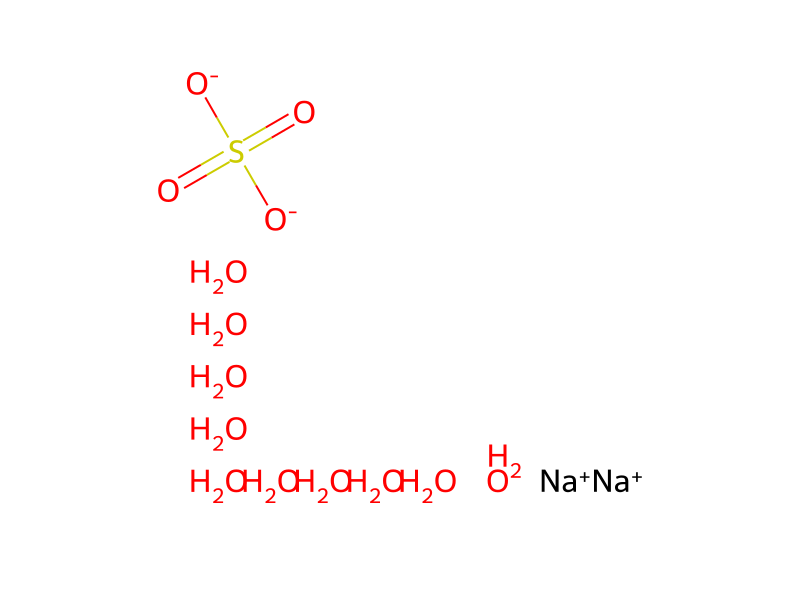
In a round-bottomed flask, ethyl 1H-indazole-7-carboxylate (600 mg, 3.15 mmol) was dissolved in THF (16 ml). The light yellow solution was cooled to 0° C. and lithium aluminum hydride (1.0 M in THF, 3.8 ml, 3.8 mmol) was added dropwise. The bright yellow reaction mixture was stirred at 0° C. for 1.25 h then sodium sulfate decahydrate was carefully added. When gas evolution had stopped, the ice bath was removed, sodium sulfate was added and the mixture was stirred for 30 min at room temperature. The suspension was filtered over Celite and rinsed with ethyl acetate/methanol. The filtrate was concentrated to afford (1H-indazol-7-yl)-methanol as a light yellow solid which was used without further purification.