HomeMCPWorkbenchSkills
HomeWorkbenchNotificationsMe
llms.txt · MCP GuidePrivacy Policy · Terms of Service · Supportv1.8.0
  1. Home
  2. /Reaction

Acetone → N-(3-methyl-4-hydroxybenzyl)acrylamide

HRID 247655
Notes
Print preview

Reaction equation

HRID 247655 reaction equation
[C:1]1([CH3:8])[C:6]([OH:7])=[CH:5][CH:4]=[CH:3][CH:2]=1.[CH2:9]([NH:11][C:12](=[O:15])[CH:13]=[CH2:14])O.Cl.CC(C)=O>O>[CH3:8][C:1]1[CH:2]=[C:3]([CH:4]=[CH:5][C:6]=1[OH:7])[CH2:9][NH:11][C:12](=[O:15])[CH:13]=[CH2:14]
ParticipantsProcedureWorkupSources & evidenceReaction notes

Participants

6

Reactant 4

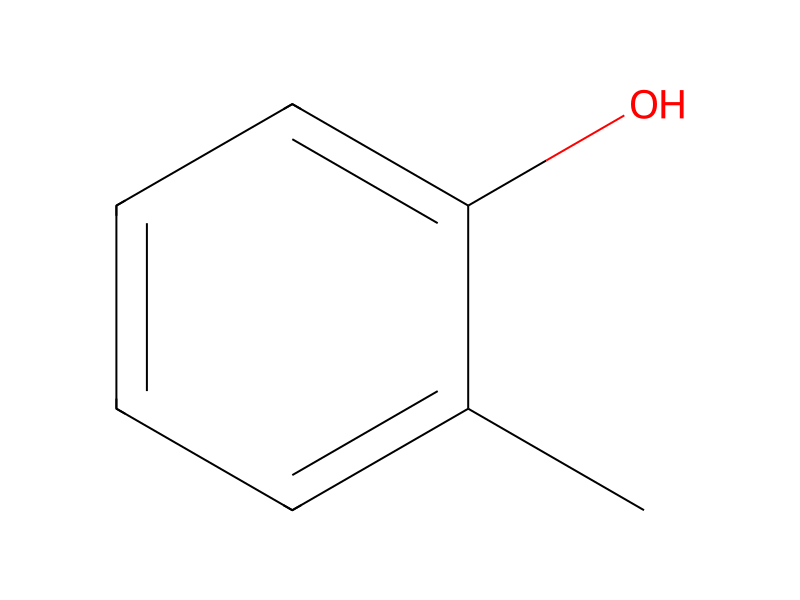
HCID 180AcetoneHCID 313Hydrochloric AcidHCID 335O-CresolHCID 13543N-Methylolacrylamide

Product 1

HCID 20160031N-(3-methyl-4-hydroxybenzyl)acrylamideYield 66.5%

Reagents, catalysts & solvents 1

HCID 962WaterSolvent
On this pageParticipantsProcedureWorkupSources & evidenceReaction notes

Procedure

A flask was charged with 108 g of o-cresol, 101 g of N-methylolacrylamide, 5 g of 37% aqueous hydrochloric acid solution and 100 ml of acetone, and the mixture was subjected to the condensation reaction at 60° C. for 60 minutes with stirring. The obtained reaction mixture was poured into excess water to separate an organic layer. The organic layer was dissolved in 200 ml of methylene chloride, which was washed with three 100 ml portions of water to give 127 g of N-(3-methyl-4-hydroxybenzyl)acrylamide.

Workup

  1. customthe mixture was subjected to the condensation reaction at 60° C. for 60 minutes
  2. customThe obtained reaction mixture
  3. customto separate an organic layer
  4. dissolutionThe organic layer was dissolved in 200 ml of methylene chloride
  5. washwhich was washed with three 100 ml portions of water

Sources & evidence

ORD record
ord-69e1e51af8ce4fe2be8d8ffb7ed1a3b9
Source dataset
uspto-grants-1987_11
DOI
10.6084/m9.figshare.5104873.v1
Patent number
US04709062

Reaction notes

Loading…