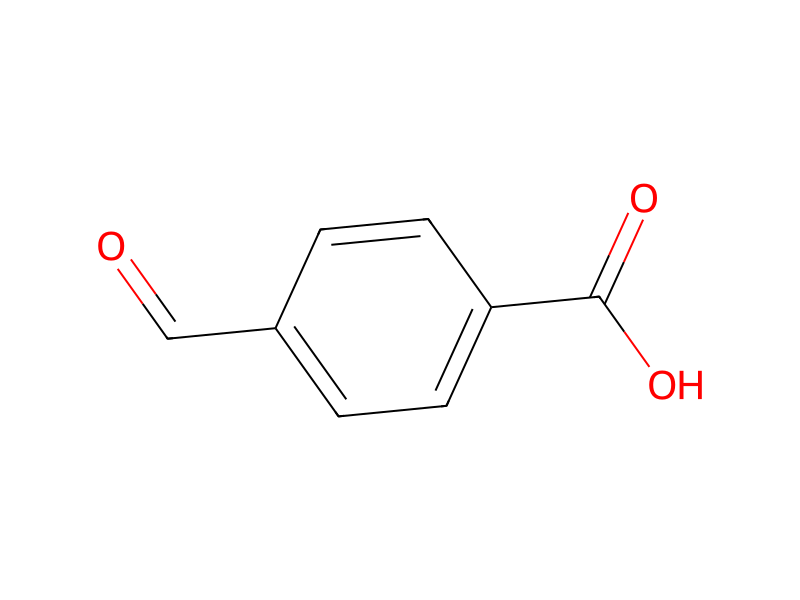
4-Formylbenzoic acid → 4-[(3,4-Dimethoxyphenylamino)-methyl]-benzoic Acid
HRID 252780
Reaction equation

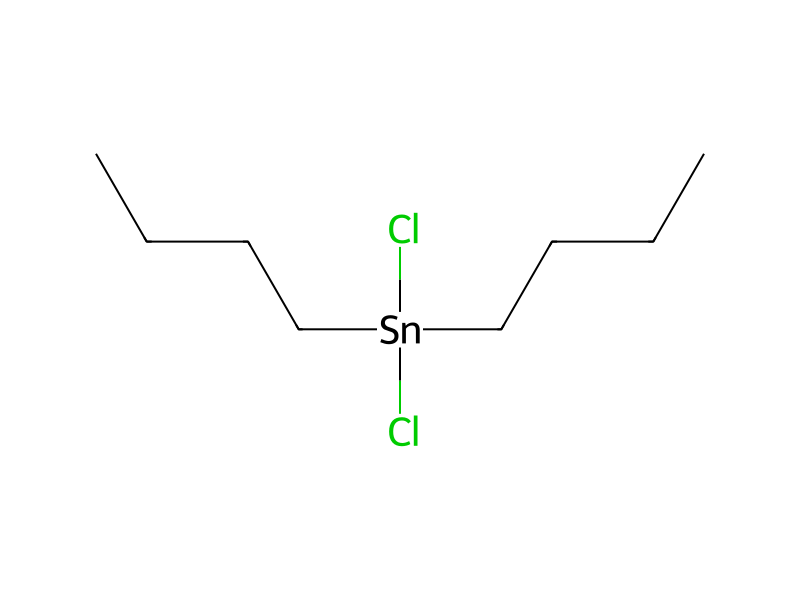
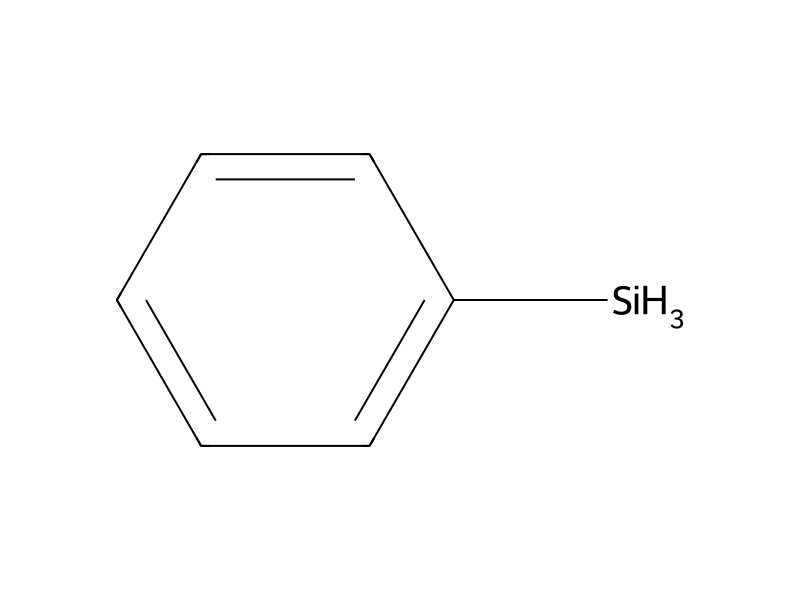
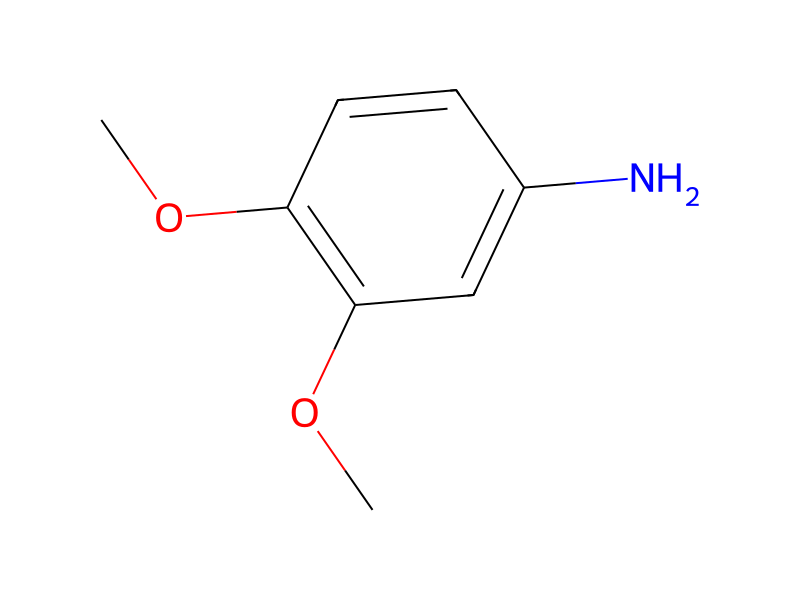
[NH2:1][C:2]1[CH:3]=[C:4]([O:10][CH3:11])[C:5]([O:8][CH3:9])=[CH:6][CH:7]=1.[CH:12]([C:14]1[CH:22]=[CH:21][C:17]([C:18]([OH:20])=[O:19])=[CH:16][CH:15]=1)=O.C([Sn](Cl)(Cl)CCCC)CCC.C1([SiH3])C=CC=CC=1>C1COCC1.CC(N(C)C)=O>[CH3:11][O:10][C:4]1[CH:3]=[C:2]([NH:1][CH2:12][C:14]2[CH:22]=[CH:21][C:17]([C:18]([OH:20])=[O:19])=[CH:16][CH:15]=2)[CH:7]=[CH:6][C:5]=1[O:8][CH3:9]Participants
7
Reactant 4
Product 1

Reagents, catalysts & solvents 2

