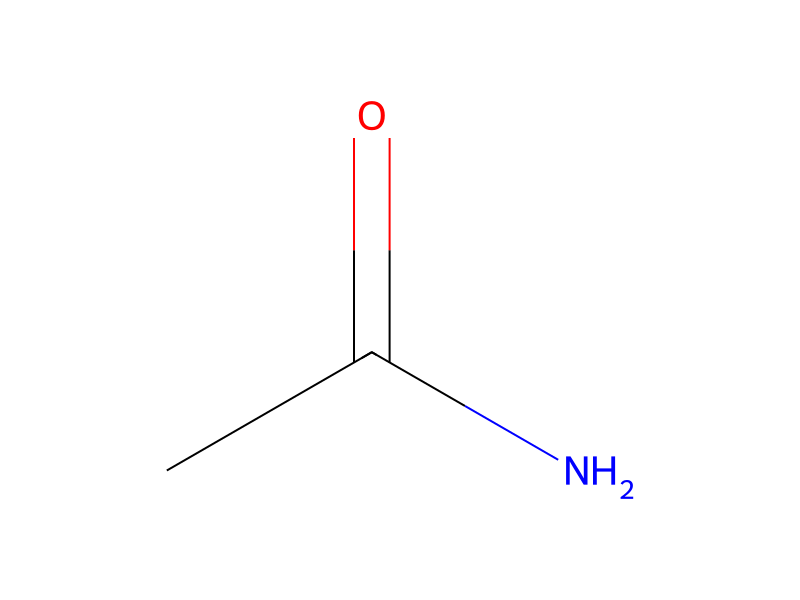
[Br:1][C:2]1[CH:3]=[C:4]([C:9](=O)[CH2:10][C:11]2[CH:16]=[CH:15][CH:14]=[C:13]([Cl:17])[C:12]=2[Cl:18])[C:5]([Cl:8])=[N:6][CH:7]=1.OI(C1C=CC=CC=1)OS(C1C=CC([N+]([O-])=O)=CC=1[N+]([O-])=O)(=O)=O.[C:44]([NH2:47])(=[O:46])[CH3:45]>C1COCC1.ClCCCl.CO>[Br:1][C:2]1[CH:3]=[C:4]([C:9]2[N:47]=[C:44]([CH3:45])[O:46][C:10]=2[C:11]2[CH:16]=[CH:15][CH:14]=[C:13]([Cl:17])[C:12]=2[Cl:18])[C:5]([Cl:8])=[N:6][CH:7]=1To a solution of 1-(5-bromo-2-chloropyridin-3-yl)-2-(2,3-dichlorophenyl)ethanone (0.315 g, 0.83 mmol) in THF (3 mL) was added HDNIB (0.585 g, 1.2 mmol, [hydroxy(2,4-dinitrobenzenesulfonyloxy)iodo]benzene, see Lee et al., Synlett, 10: 1563-1564, 2001) in 1,2-dichloroethane (3 mL). The reaction mixture was heated to reflux in a sealed tube for 2 hours, at which point a solution formed. The reaction was cooled to RT and acetamide (2 eq., 0.115 g, 1.9 mmol) was added. The reaction was then heated to reflux for 18 hours. After cooling, the mixture was dissolved in MeOH, adsorbed onto Celite™ and purified by silica gel chromatography (5 to 40% EtOAc/hexanes) to give 5-bromo-2-chloro-3-(5-(2,3-dichlorophenyl)-2-methyloxazol-4-yl)pyridine as a colorless oil [0.084 g, 24% yield; LC-MS m/e=418.8 (M+H)].