Reaction equation

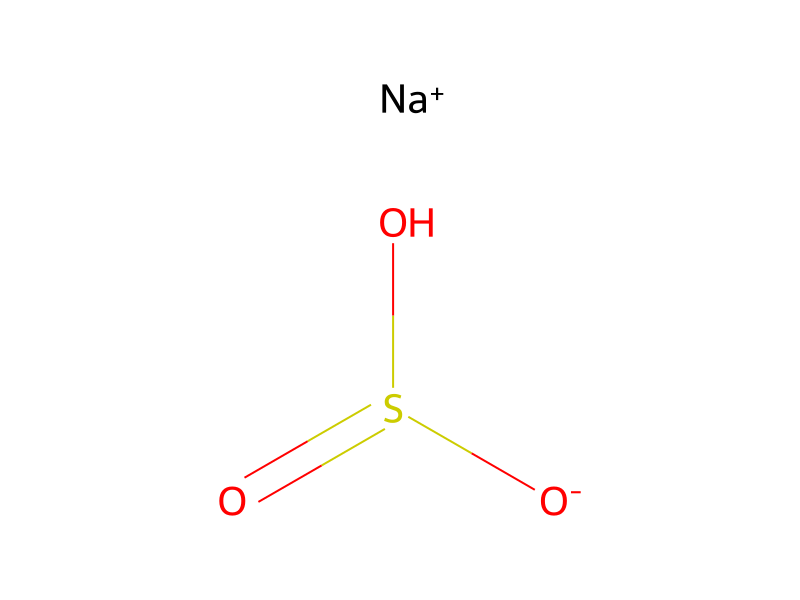
[C:1]([C:4]1[C:5]([C:17]2[CH:22]=[CH:21][CH:20]=[C:19]([N+:23]([O-:25])=[O:24])[CH:18]=2)=[N:6][C:7]([C:11]2[CH:16]=[CH:15][CH:14]=[CH:13][CH:12]=2)=[N:8][C:9]=1[CH3:10])(=[O:3])C.Br[O-].[Na+].S(=O)(O)[O-:30].[Na+]>O1CCCC1>[CH3:10][C:9]1[N:8]=[C:7]([C:11]2[CH:16]=[CH:15][CH:14]=[CH:13][CH:12]=2)[N:6]=[C:5]([C:17]2[CH:22]=[CH:21][CH:20]=[C:19]([N+:23]([O-:25])=[O:24])[CH:18]=2)[C:4]=1[C:1]([OH:30])=[O:3]Participants
5




Procedure
A mixture of 5-acetyl-6-methyl-4-(3-nitrophenyl)-2-phenylpyrimidine (1.5 g), tetrahydrofuran (70 ml), sodium hypobromite (70 ml) was stirred for 2 hours at ambient temperature. To the mixture was added an aqueous sodium bisulfite solution. The mixture was washed with diethyl ether (100 ml) and the aqueous solution was acidified to pH 3.0 with 10% hydrochloric acid. The resultant crystals were collected by filtration to give 0.80 g of 6-methyl-4-(3-nitrophenyl)-2-phenyl-5-pyrimidinecarboxylic acid.
Workup
- washThe mixture was washed with diethyl ether (100 ml)
- filtrationThe resultant crystals were collected by filtration
Sources & evidence
- ORD record
- ord-19c85a267351462d806f23799a5721f5
- Source dataset
- uspto-grants-1987_10
- Patent number
- US04698340
Linked notes
Loading…